
|


 Teachers – Healing Broken Lives “What you care for, anyway? Why you care? Nobody cares—nobody!” “I do care. I care because I have three boys. I want a good life for them, and I want you to have a good life, too. I care because you are one of my students, and I know you will succeed if you put your mind to it. I care because it is my responsibility to care, son.” He broke down and cried like a baby. | ||
| by Graysen Walles Past contributor to the Gazette April 1, 2009 |
||
|
||

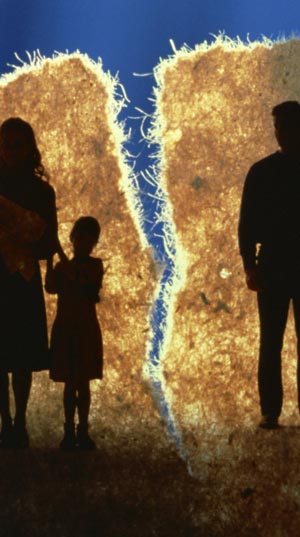 Our profession is often confronted with issues of child abuse. However, with time, abuse is impacting children at younger and younger ages. Many of the kids we work with either witness abuse or are victims of abuse—in their own households. They come to school with these issues, and we expect them to perform as if all is well with life. Of course, we are not always aware of what’s happening; our clues don’t often arrive until a child comes to us directly. In any event, we need to be aware that the reality is, somewhere in your classroom or school or school system, there are children who are being abused. In 2006 the U.S. Department of Health released a report detailing the various forms and types of child abuse. According to that data,
Teenage Gangs On another front, gang issues are no longer specific to poor urban communities—suburban and rural communities are now seeing the devastating effects of gang life, too. Young people run to gang organizations because they want the sense of being a part of something, of belonging to a whole—a feeling that is often missing from their broken homes; they also want, or in some cases need, the sense of protection that comes from belonging to a gang. Gang life and child abuse have some very close ties, as one often bleeds into the other . . . literally. Various forms of child abuse and gang life, as well as broken families (caused by divorce, death, or domestic violence), homelessness, and many other human relational issues stream into school systems frequently, becoming an unwanted partner in what we do. Because of these issues, teachers must become part of a healing community. They must work with social workers, counselors, and community advocates to help students navigate the tumultuous terrain. Dealing with these problems is not something we are all trained for, but it is a fact of the teaching profession that we will deal with such issues at some point—some of us more than others. I know gang issues are huge right now in our school system. We must be on alert for possible gang activity twenty-four hours a day, seven days a week. It is critical that we stay on top of related situations to ensure that the majority of students feel safe and can learn, free from the fear of violence or intimidation.
  | ||
|



 New Jobs on Teachers.Net

 For the past 20 years, Graysen Walles has achieved notable accomplishments across a diverse industry spectrum, delivering stellar performance in the military, non-profit, and education segments. After honing his expertise in strategic planning, operations, budget management, program development, and personnel for the U.S. Air Force and two non-profit organizations, Graysen made a smooth professional transition to public education.