|

 Chatboards
 Mailrings
 Classifieds
 Lessons
 Jobs
Jobs
 Projects
|
  |

| Teachers.Net Gazette Vol.6 No.7 | July 2009 |
 You can make up all the checklists you want. You can take advice from your mentors. At the end of the day, what lies behind one's teaching style is what matters. A "Great Teacher" is the right teacher at the right time, at the right place.

 Subscribe for free home delivery |

|



 Making The Case to Parents for Broadening, Not Narrowing, The Curriculum The “extras” provide the extra chance that many, if not most, children need. Special to Teachers Net Gazette for July 2009 | ||
| by Dorothy Rich http://www.dorothyrich.net Regular contributor to the Gazette July 1, 2009 |
||
|
||
|
Discussion/Reflection Questions
The air is filled with headlines and recriminations about the quality of our schools and whether our students can compete in the world.
 This truth remains: The family, regardless of income and educational background, can and must use opportunities now to make a truly positive impact on children’s attitudes and behaviors that determine school success. This is true for families even on the tightest time schedules and budgets. National, state and local school assessments of children’s achievement are all very well and maybe even helpful. Yet, for each child a home report card is much more personal and meaningful to answer this question:. “What does my child know and need to know?’ The longest journeys, so say the sages, begin with a single step. Here are a few steps for teachers to share with families to make the big difference for children. These ideas work any time during the school year.
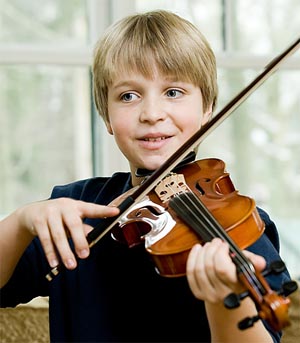
In an effort to raise test scores and build students academic skills in many schools across the nation, what have been called frills or non-essential subjects are being cut. This includes physical education, art, music, even recess. Let parents know that this is a bad idea. It’s vital that all children, especially those who start with lower test scores, have a variety of ways in which to succeed, to be able to say “I can do that.” When we narrow the curriculum to academics and only to drill, drill, drill, there are fewer ways for students to experience feelings of success. This translates into lower morale and graduation rates. Test scores might blip up briefly but have trouble being sustained. The arts, music and physical education cutters are forgetting what these “extras” teach. In fact, these aren’t extras at all. They are intrinsic to achievement. Teachers know this and have to put this message across. Perhaps nowhere else except in sports, music and arts do children come to understand that achievement takes time. A vase starts with a lump of clay, a story with single word, a dance with a first step, a violin with a squeak. There is a level of personal satisfaction in the arts (and on the playing field with sports) that stimulate children to learn and to want to keep on learning. Textbooks are not the only ways to teach reading, writing, and math. Good teachers know how to teach reading using sports and play and all the extras. So, let’s stop calling them “extras” or even “supplemental.” This demeans their power and the time allocated to them. These extras have always been essentials. We all need a sense of achievement in order to go on to achieve more. This doesn’t always happen in the traditional academic classroom. The “extras” provide the extra chance that many, if not most, children need. Let’s be sure that parents hear this message from us, to broaden, not to narrow, the curriculum. 
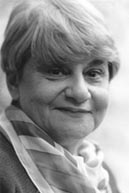
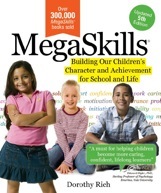
Dorothy Rich, Ed.D. is founder and president of the nonprofit Home and School Institute, MegaSkills Education Center in Washington. Readers may contact her at the Home and School Institute, MegaSkills Education Center, 1500 Massachusetts Avenue, NW, Washington, DC 20005, Web sites: www.MegaSkills.org; www.dorothyrich.net
 | ||
|