Find Lessons
Conjugation Races
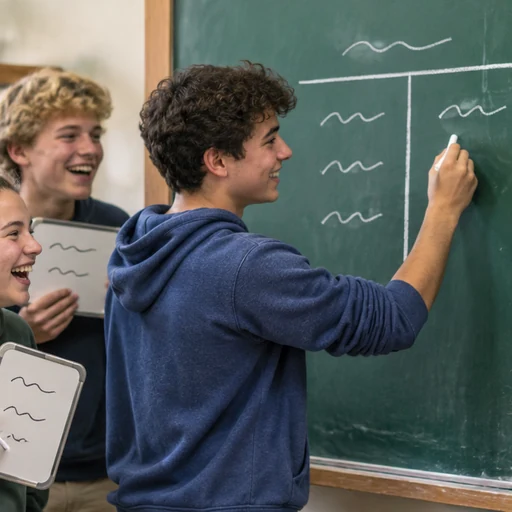
Assign at least two students to the chalkboard. Have each draw a T. On the left side, write the forms for first, second, and third person singular; on the right, write the forms for first, second, and third person singular.
LanguageMiddle School (6–8)Introduce Yourself
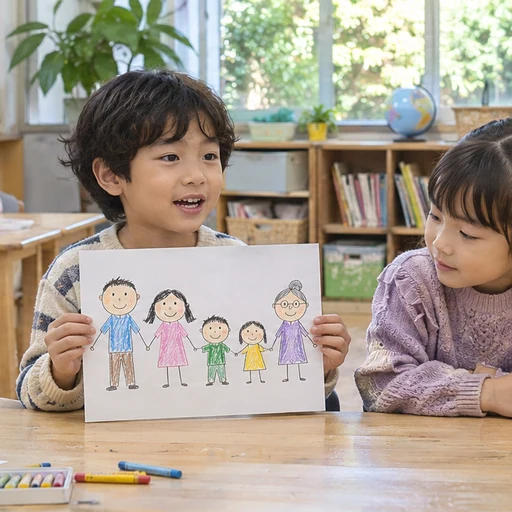
Give students the chance to combine what they have already learned and practice introducing themselves and their families orally in English, in groups similar to informal social conversations.
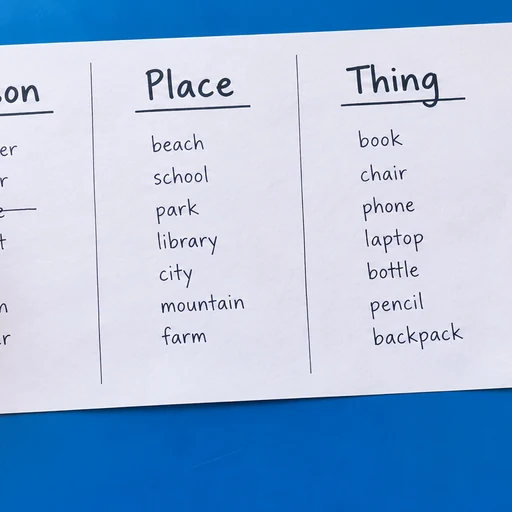
LanguageMiddle School (6–8)Noun Scattegories
Divide the paper into 3 sections and label them Person, Place, and Thing.
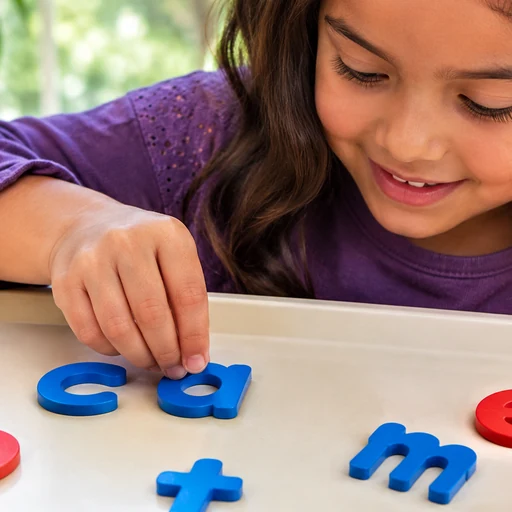
LanguageElementary (K–5)Kids Make Spelling Puzzles
Kids love word searches, but you can take it a step further to make learning spelling words easier and more fun.
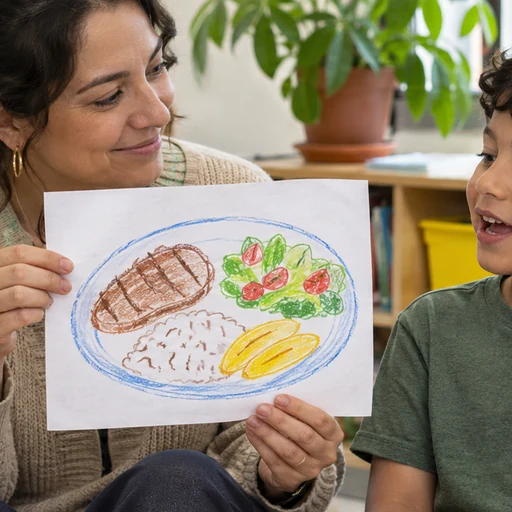
LanguageElementary (K–5)Me Gusta (spanish lesson)
Following a lecture on how to describe likes and dislikes in Spanish using the formation me gusta(n), elementary students will be able to tell the class things they like or do not like in Spanish with 100% accuracy.
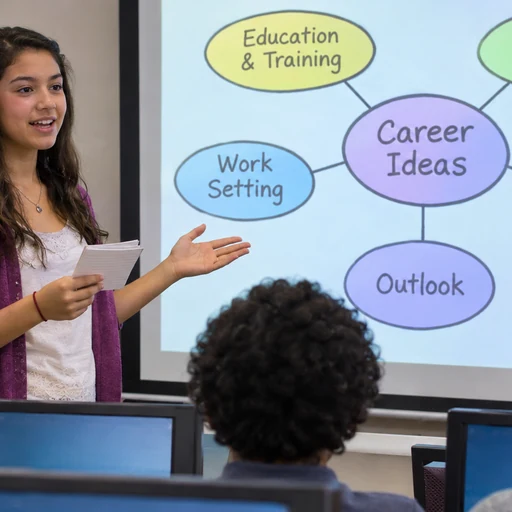
LanguageElementary (K–5)Oral Presentation for Chosen Career
Research and deliver an oral presentation.
LanguageMiddle School (6–8)Narrative Writing Lesson
Students will learn the stages of process writing.
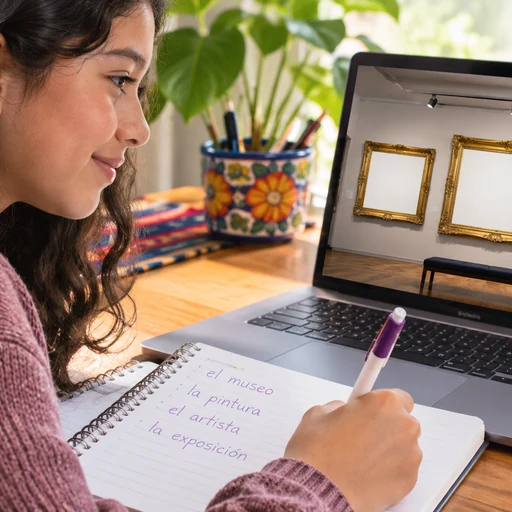
LanguageMiddle School (6–8)Virtual Spanish Museums
Within the directions, students may click on the Spanish flag in step 4 to participate in Spanish, or click on the British flag if the language is too advanced, as it is for my students.
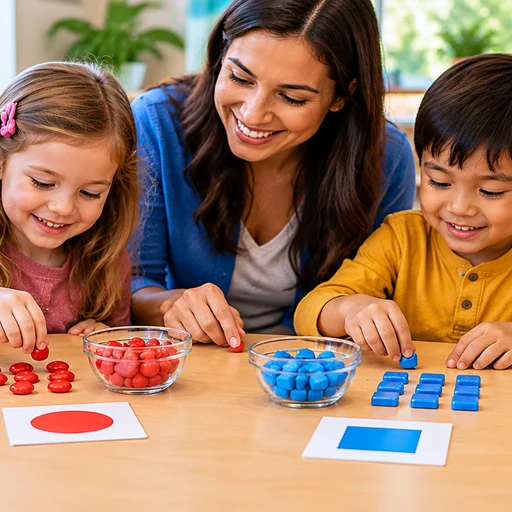
LanguageMiddle School (6–8)Shapes
Students will be able to differentiate objects based on contrasts in physical characteristics such as color, texture, size, and shape. Students will also be able to recognize and sort objects by color families.
LanguageEarly Childhood