Find Lessons
Speedy Spelling Review
In 15 seconds, each team must arrange itself in alphabetical order according to the words on the cards. As students get better, I cut the time down to 10 seconds. Award one point for each team member in the correct order.
LanguageMiddle School (6–8)Parts of the Body in Spanish
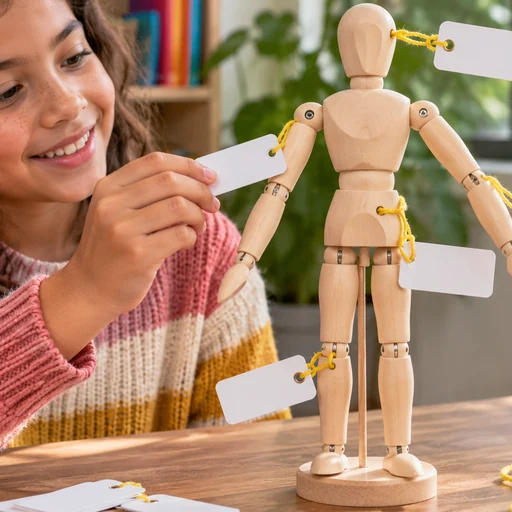
One student in each group lies down on the floor or on top of the desks (they particularly like that).
LanguageMusical Spelling Chairs
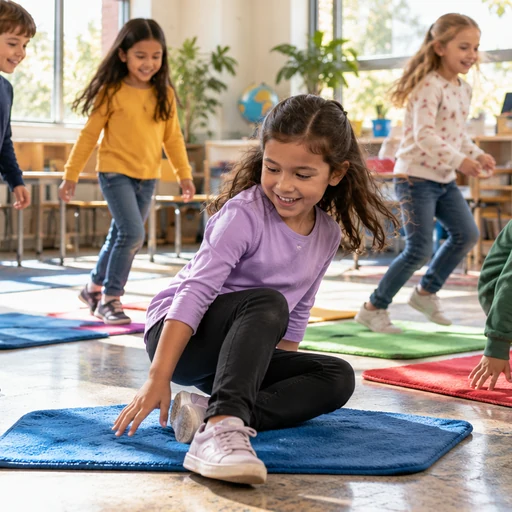
Most children know how to play musical chairs. This game uses the same concept, with spelling words. I place my students’ spelling words in a can, and once a week we get on our mats and play.
LanguageElementary (K–5)Fables Including Fables with Dolch Words
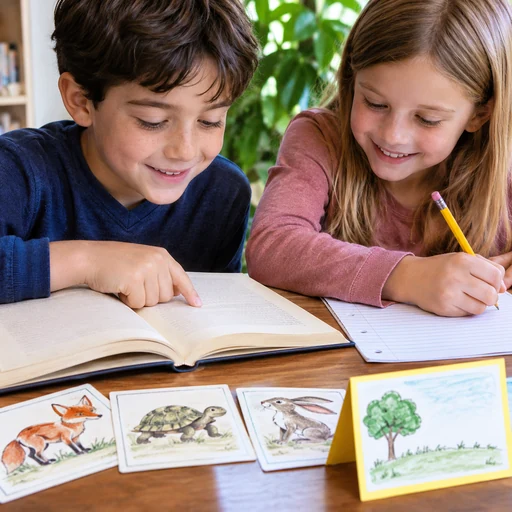
Especially for children, stories are compatible means of teaching important truths. Let's remember that fables were originally aimed at adults.
LanguageElementary (K–5)Family Album
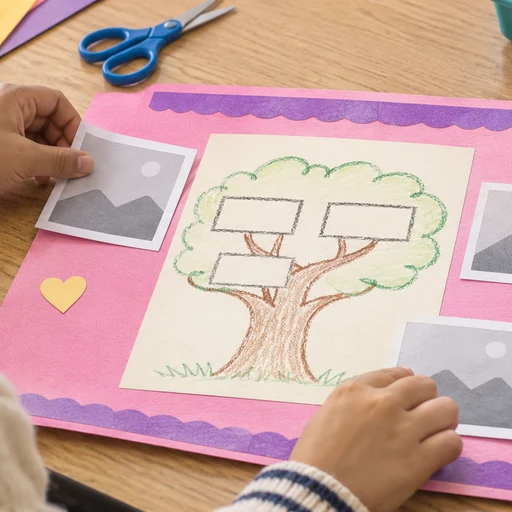
Start this lesson after teaching students about family members in Spanish. I always begin by showing my own family album as an example. I made mine REALLY creative so students have a good idea of the high standards I am seeking.
LanguageMiddle School (6–8)High School (9–12)Literary Terms and Devices
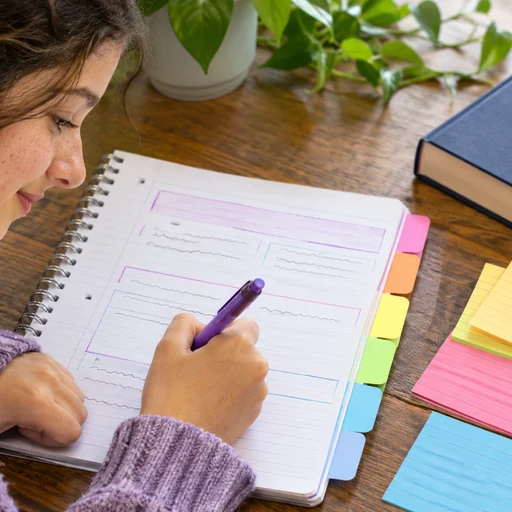
This handout can be given to students at the beginning of the school year and used all year long. As you teach a term or device, students can fill in the boxes with their own personal examples.
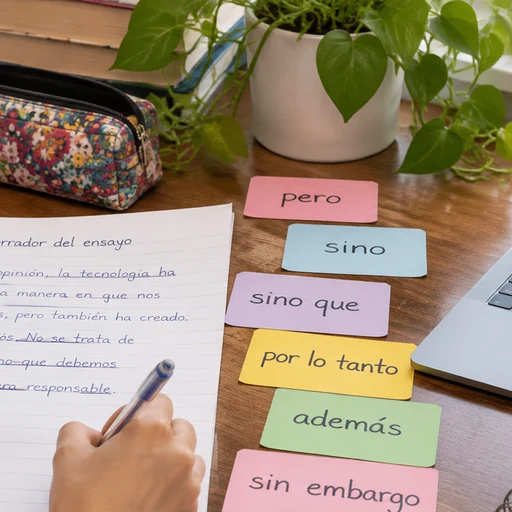
LanguageMiddle School (6–8)Writing Advanced Spanish Essays
Mr. Chad E. Allan Bishop England High School
LanguageHigh School (9–12)Name Bingo
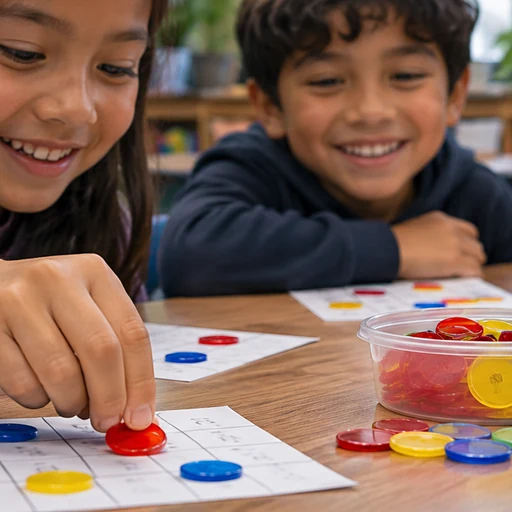
For the fourteen children in my class, I make a lotto game using all the children's first names.
LanguageEarly ChildhoodWeird Science: Vocabulary Practice for Parts of the Body
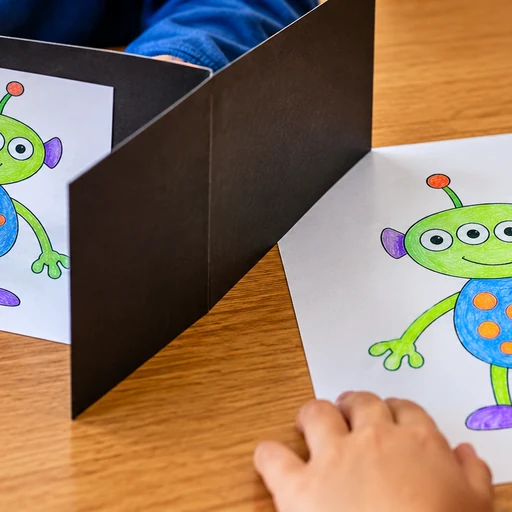
This activity provides an opportunity to practice Spanish vocabulary for numbers, body parts (arm, eye, hair, head, etc.), and relative positions—in this case, the positions of body parts (above, next to, underneath).
LanguageVOCABULARY DEVELOPMENT
The teacher enters the classroom and responds to the students' greeting.
LanguageHigh School (9–12)