Find Lessons
Ring Around the Letters
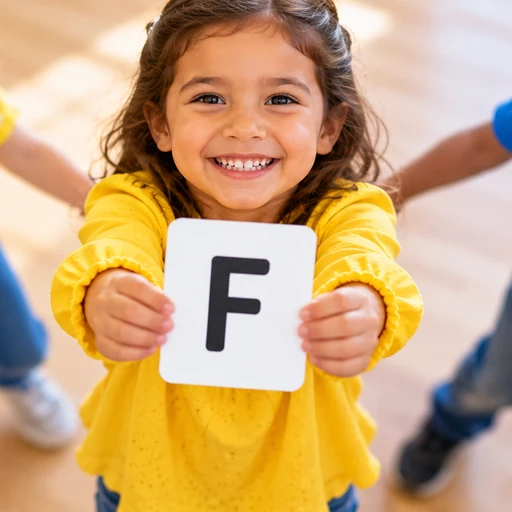
Children sing around a child showing an alphabet card, echo its sound, then the card holder closes their eyes and spins until the teacher calls stop.
Early ChildhoodConnecting Letters and Memory
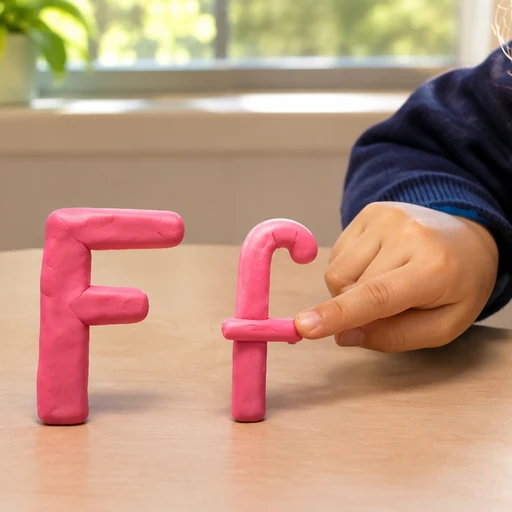
The teacher organizes letter units and uses cards, worksheets, writing and clay letters to help students connect spoken letter names and sounds with uppercase and lowercase forms.
Special EdElementary (K–5)Phoenic Awareness
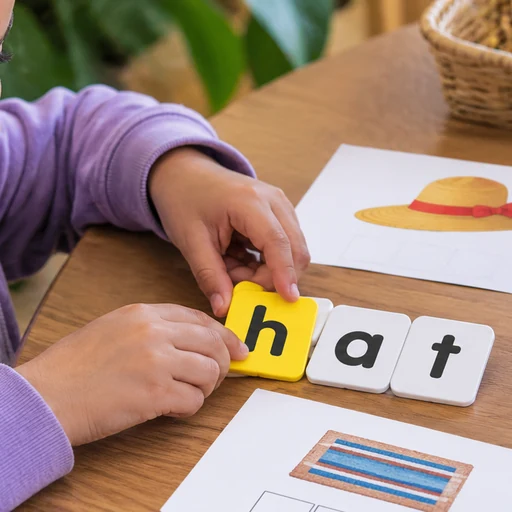
Student pairs spin for consonant onsets, combine them with listed Aa rimes, record resulting words, then compare charts and read the words aloud.
Reading/WritingElementary (K–5)A Beka Book Pre-K Cirriculum
The resource lists a preschool-day schedule, presents a days-of-the-week song, and provides three pledge texts.
Building BlocksEarly ChildhoodHarry the Dirty Dog
The teacher reads Harry the Dirty Dog aloud, then students sequence story pictures, count toy dogs, complete clean-and-dirty Harry patterns, and trace and form the letter d.
General / Multiple SubjectsEarly ChildhoodEmmy's Handbook
I have a page that gives the general information regarding the office, etc. This is the written part without the pictures.
History of Ponce De Leon in Florida
LA.A 1.2.2: Student selects from a variety of simple strategies, including the use of phonics, word structure, context clues, self-questioning, confirming simple predictions, retelling, and using visual cues to identify words and construct meaning from…
Special EdMiddle School (6–8)Word Wall - Working with Words
Help children look for patterns in words to decode and spell less-frequent words they have not been taught (decoding/phonics and spelling).
Flat Stanley Guided Reading
Students will be able to relate events from the book to activities in their own lives. They will learn vocabulary words and increase their writing skills.
Reading/WritingElementary (K–5)Aesthetic Theories of Art
Students examine four aesthetic theories through written and visual examples, play an image-categorization review game, then draw a landscape in an assigned theory and explain their choices.
ArtHigh School (9–12)