Find Lessons
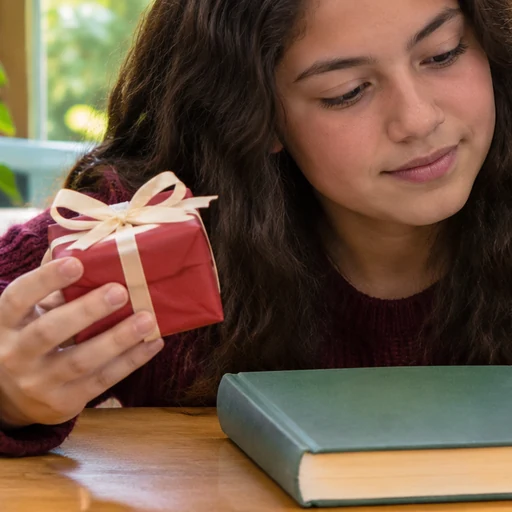
Gifts for Others
Students read and summarize O. Henry’s story, identify its main idea and unfamiliar vocabulary, compare Magi and Jim using textual descriptions, and discuss sacrifice.
English Language ArtsElementary (K–5)Reading/Writing/Rhyming
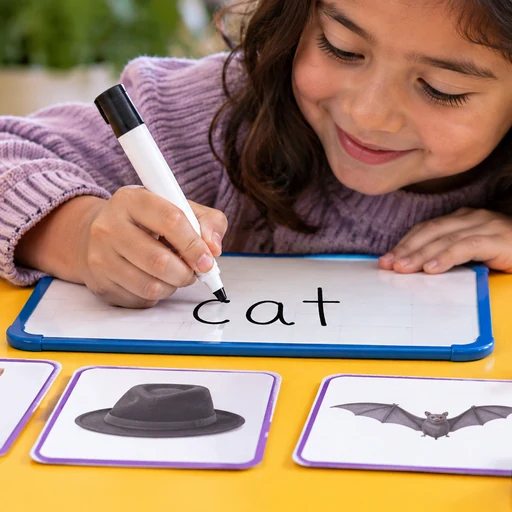
Students listen to Room on the Broom, identify and generate rhymes through a song and tossing game, then write or illustrate rhyming pairs in a poem and share them.
Reading/WritingElementary (K–5)Arthur's Tooth
The teacher reads Arthur’s Tooth aloud and discusses its story elements; students complete a story map, then read an extension story and answer questions.
Reading/WritingElementary (K–5)Fiction Lesson Plan
The teacher models questioning while reading a folktale aloud; students discuss questions with partners, then read independently, write questions on Post-its, and share selected questions.
LiteratureElementary (K–5)Introducing Butterfly Unit Anticipation Guide
The teacher reads a butterfly book aloud as students discuss and revisit anticipation-guide claims with text evidence, then write and illustrate a fact they learned.
ScienceElementary (K–5)Make Your Own Tall Tale
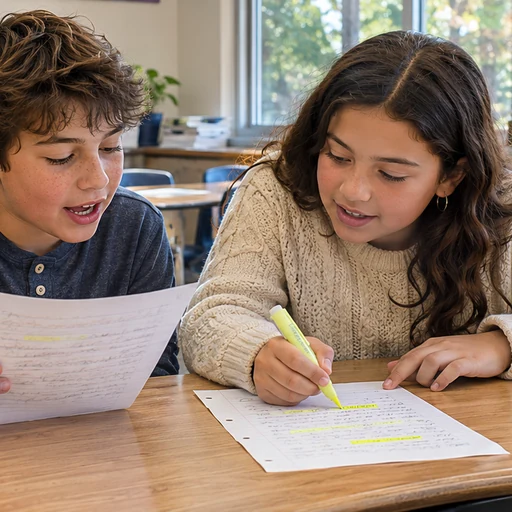
Students will read individual copies of “Pecos Bill” for reading comprehension. The teacher will facilitate a discussion to make sure all students understand the exaggerations throughout the story. Students will then highlight strong verbs, similes,…
Reading/WritingMiddle School (6–8)There Was an Old Lady
Students hear a read-aloud of The Little Old Lady Who Was Not Afraid of Anything, sequence events in group activities, then make sequencing books with clue words.
Reading/WritingElementary (K–5)Symbolic Borders
Teachers define a focus and have students select, draw and color two to four repeating symbols in a paper border, then explain them orally or in writing.
English/Grammar/ReadingElementary (K–5)Chapter Books
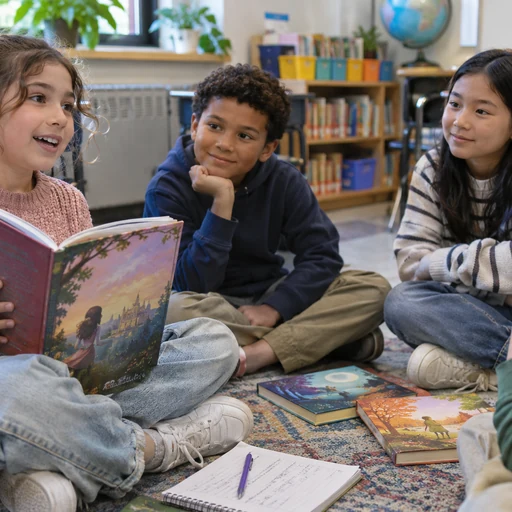
The teacher reads selected chapters aloud and leads discussion; student groups read assigned chapters, record plot and comprehension questions, and share their chapters in order.
LiteratureElementary (K–5)