Find Lessons
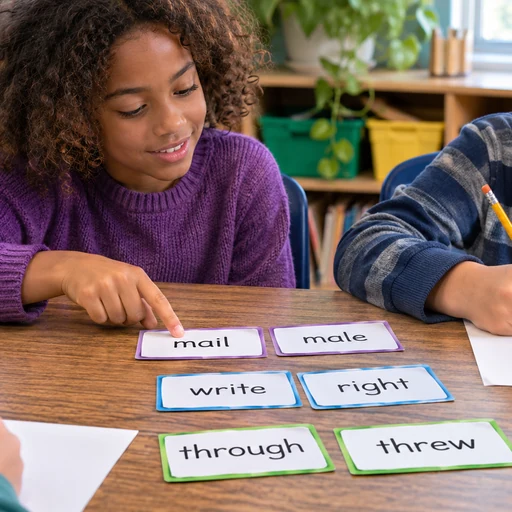
Which Witch Is Which?
This activity helps students practice homonyms and develop their writing. Children may use the wrong word because it sounds like the word they want. After completing this activity, your class will hopefully have a better understanding of homonyms.
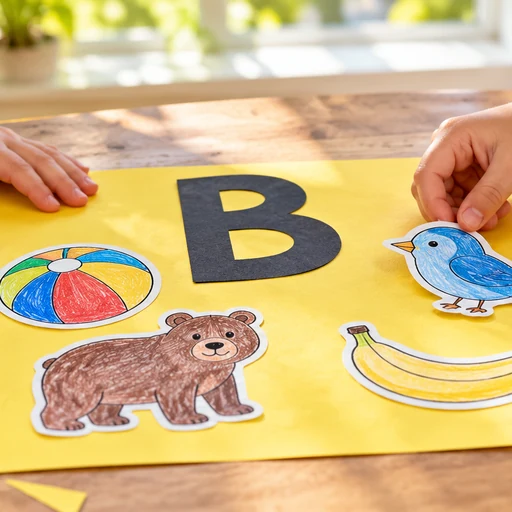
LanguageElementary (K–5)Beginning-Sound Picture Collages
Divide the class into groups. Give each group a sheet of bulletin board paper with a beginning sound at the top. Also give each group magazines, newspapers, scissors, and glue.
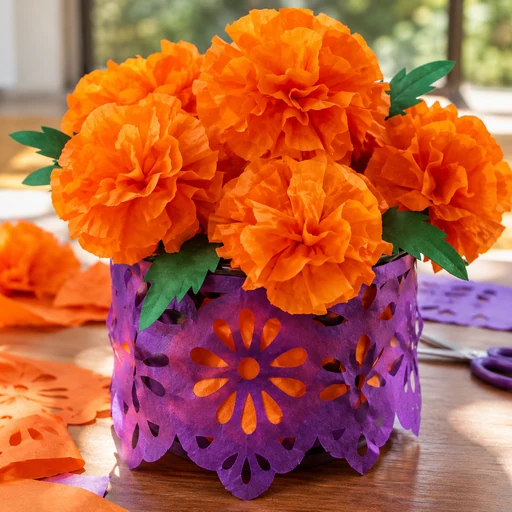
LanguageElementary (K–5)Activities for Day of the Dead
Students will make a tombstone from papier-mâché to bury a bad habit or experience that they would like to delete from their lives. The tombstone lists all the details, and we set the tombstones up in the classroom on the appointed day.
LanguageMiddle School (6–8)Mexican Version of The Night Before Christmas
During December, my students read the following poem aloud and then acted out its scenes. We discussed the variations between this poem and the traditional English version, as well as the significance of those changes.
LanguageMiddle School (6–8)Cultural Contact
Acquaint first-year Spanish students with the diversity of Hispanic culture, using technology-enhanced research and hand-drawn creative graphics to retell the researched story.
LanguageHigh School (9–12)Les Jours De Ma Vie
Foreign Language Communication Standard 1.3: Students present information, concepts and ideas to an audience of listeners and readers on a variety of topics.
LanguageHigh School (9–12)French lessons, French culture: Introduction
In this lesson, we have talked about French culture, especially how French people use nonverbal communication in introductions or interactions with others. We concentrated on three basic categories: eye contact, shaking hands, and kissing. We discussed how…
LanguageElementary (K–5)Poetry (8th Grade)
By the end of this lesson, students will be able to identify the speaker, occasion, audience, purpose, subject, and tone in various poems. They will also build on prior knowledge and demonstrate an ability to identify other elements of poetry. Students will…
LanguageMiddle School (6–8)