Find Lessons
Reading Comprehension
Learners read a passage about online distance learning, answer comprehension questions, match vocabulary definitions, and solve a crossword using words from the passage.
LanguageHigh School (9–12)Reading Comprehension
The resource presents a report on school uniform and dress code policies, including arguments about cost, safety, student expression, and mixed study results.
LiteratureHigh School (9–12)Clifford Guided Reading Comprehension 4 Blocks
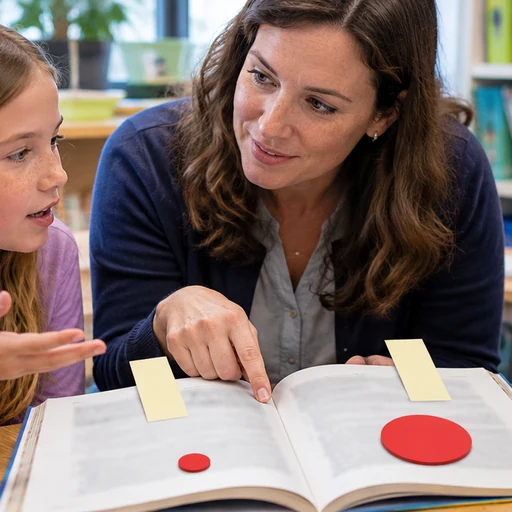
Learners read Clifford books, mark and share examples of how Clifford’s size affects events, and discuss how his size helps or gets him into trouble.
4 BlocksElementary (K–5)Reading Comprehension : The Great King.
Students will develop reading skills through comprehension of the story’s events and define the meanings of words in the story.
Reading/WritingElementary (K–5)I Wonder: Integrating Reading Comprehension with Visual Arts
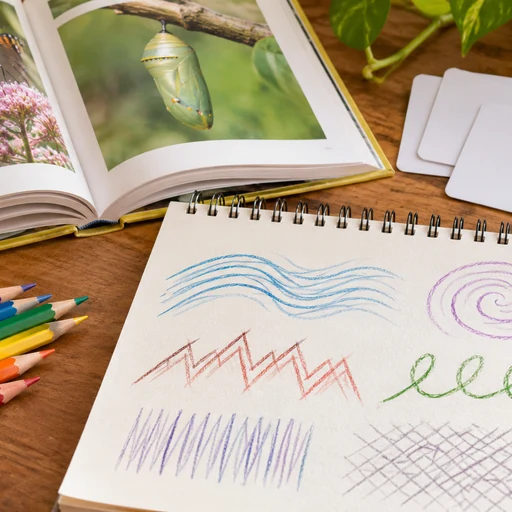
Students will use a self-monitoring strategy (“I Wonder” statement) to help guide comprehension.
4 BlocksElementary (K–5)Writing as a Tool for Learning
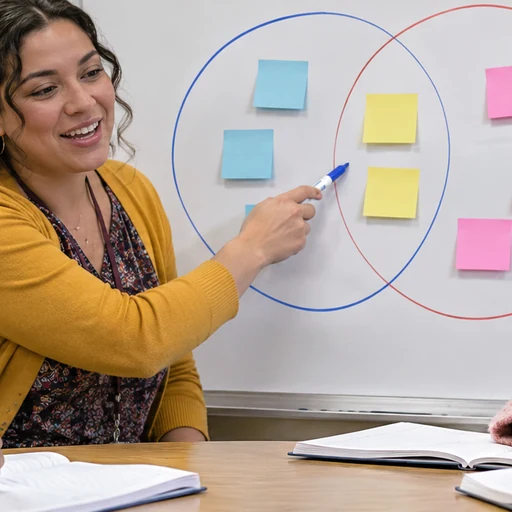
The purpose of this mini lesson is to teach students that they can use graphic organizers to compare and contrast during their reading and writing. Using graphic organizers helps students think about describing subjects, comparing and contrasting two objects,…
Reading/WritingElementary (K–5)Spanish Idols
Students research a famous Spanish-speaking figure, create a research web, essay, and poster, then present while classmates take notes; the teacher reviews work and asks questions in Spanish.
LanguageHigh School (9–12)Classrooms That Work, Chapter Three Mailring Discussion
The mailring discussion gathers teachers’ reflections and examples for teaching children to think while reading, including modeling, book previewing, questioning, journals, and stop-and-say strategies.
4 BlocksElementary (K–5)Adjectives Don't "Puzzle" Me!
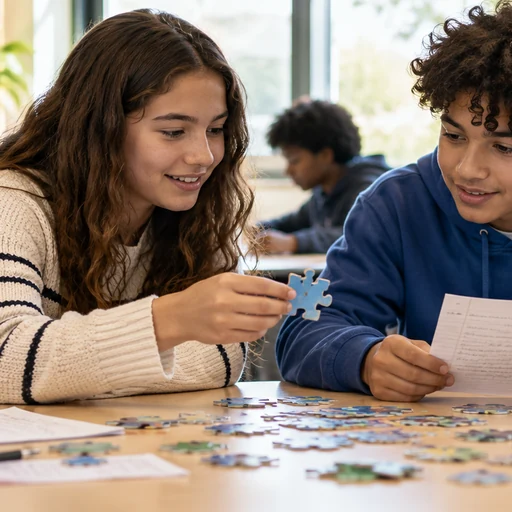
Students write descriptions of marked puzzle pieces, then pass the descriptions so classmates can read them and find the matching pieces.
LanguageMiddle School (6–8)What Is It about?
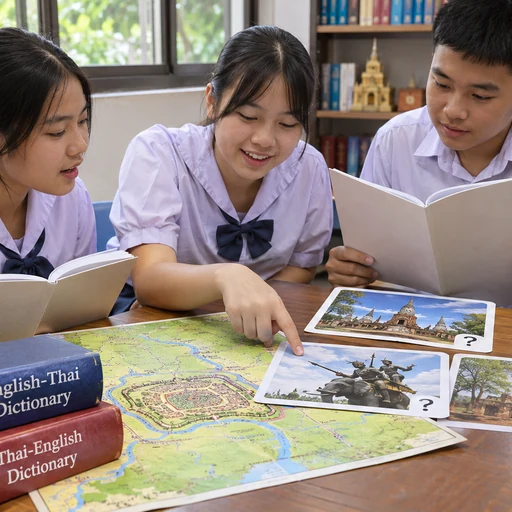
Students predict vocabulary from a story title or pictures, optionally play a word-generation game, work with the words, then read and finish the story.
LanguageMiddle School (6–8)