Find Lessons
LIE -NEW YA NOVEL -- 10 DIFFERENT POINTS OF VIEW ON RACE
A close reading of the main characters in the novel and an analysis of character development within a multi-character structure, with an option for a creative free-writing project.
The Seasons
Students will be able to determine the ways in which deciduous trees lose their leaves by investigating fallen leaves and how the weather changes throughout the seasons.
ScienceElementary (K–5)Who's the Greatest?
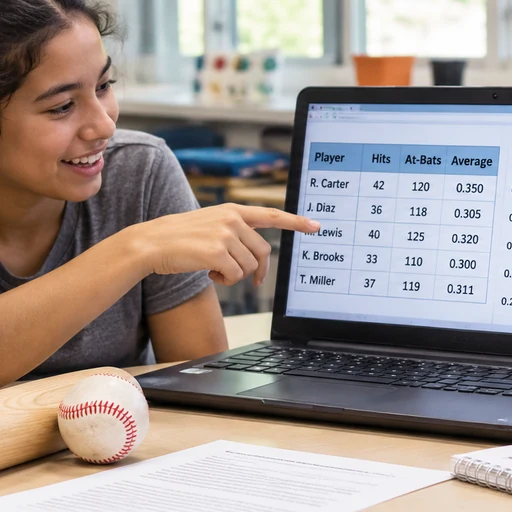
This is an interdisciplinary lesson intended for middle school students. Ideally the lesson would be team-taught by the English and math teachers, along with assistance from the technology department. This activity will use students’ interest in sports to…
English Language ArtsMiddle School (6–8)Current Events Coverage Comparison
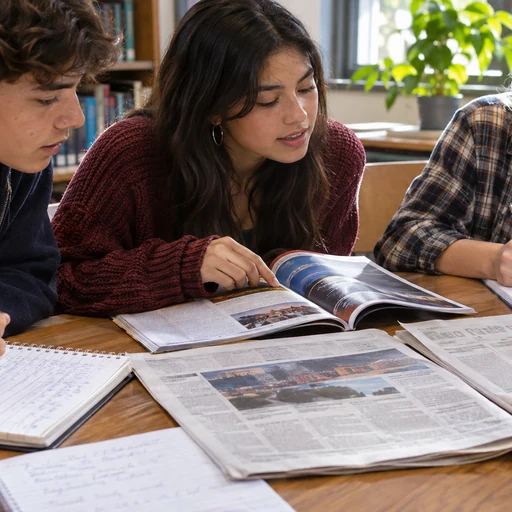
Students will follow a current events news item in various sources for one week (or two for added detail) and write a paper summarizing their findings on the coverage. They will also give a brief oral report to inform the class of what they uncovered.
Social StudiesMiddle School (6–8)Camera Obscura
The “camera obscura” and its present-day cousin, the “pinhole camera,” represent the earliest attempts by humans to permanently record a realistic image. A camera obscura can be as large as a room or as small as a salt box.
ScienceMiddle School (6–8)Guided Reading / Poetry Ideas
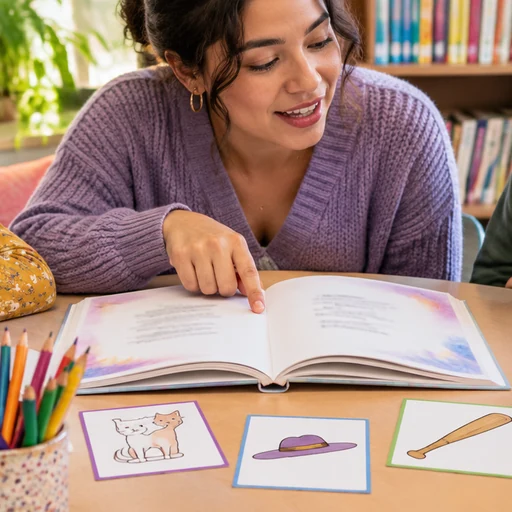
Here are some ideas that have proven successful. Don't always do the same thing! Make poems on charts and give each student their own copy.
4 BlocksElementary (K–5)Ocean/Fish
A variety of theme activities collected on the net and from books.
General / Multiple SubjectsElementary (K–5)Classrooms That Work, Chapter 2 Mailring Discussion
We write letters to authors, pen pals, parents, friends—anyone who will read our letters. We write thank-you cards anytime someone comes in to visit our class. We make cards for our families on special occasions, or just because we care to. We tried our hands…
4 BlocksClassrooms That Work, Chapter Three Mailring Discussion
On page 50, Cunningham reminds us that in order to think while you read, you must:
4 BlocksElementary (K–5)