Find Lessons
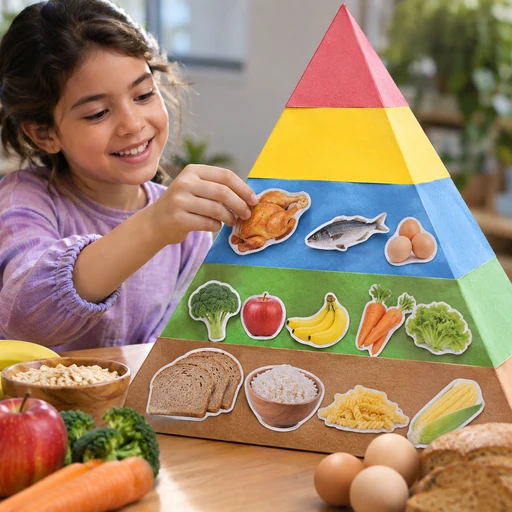
The Food Pyramid and it's Importance
Students will demonstrate an understanding of the food groups by categorizing foods in the proper area.
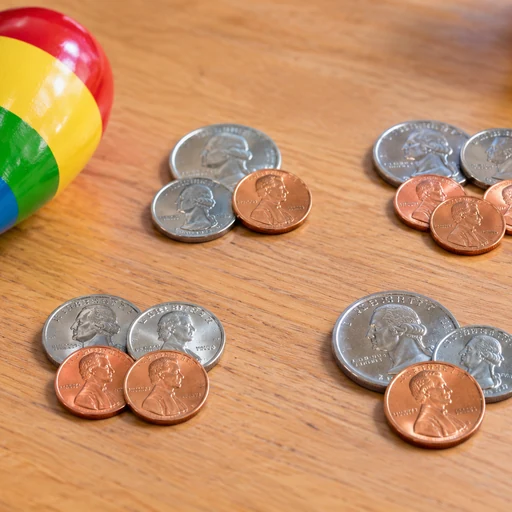
HealthElementary (K–5)Money Trading Song
I sing this song every morning with the children before we talk about how many days we've been in school.
MathematicsElementary (K–5)Short Story Framework
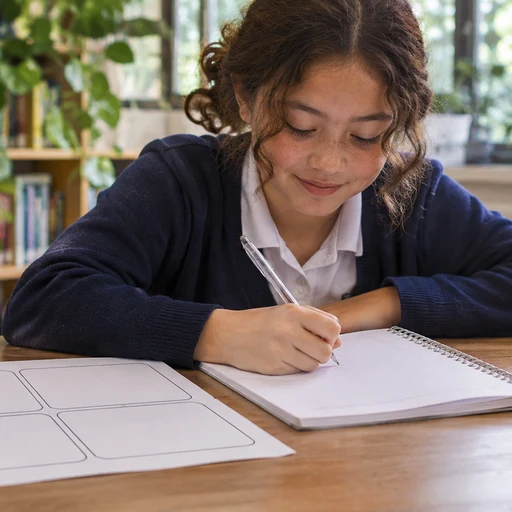
Begin by reading a short story with a definite structure (anything by Roald Dahl is a good start).
LiteratureMiddle School (6–8)Creating Metephore Poetry (with Poem by Jewel.)
I like this lesson because students’ familiarity with the singer Jewel makes them more engaged with the poetry. It helps them both learn about metaphors and use them creatively themselves.
LiteratureHigh School (9–12)Translating Christmas Songs into Spanish
During the last week before winter break, give your students a break.
SpanishHigh School (9–12)Shiritori
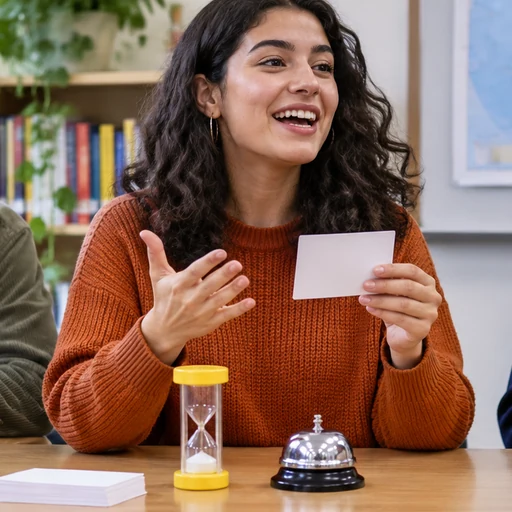
Shiritori is a great warm-up game suitable for all grades and abilities, especially in the foreign language classroom. There are many variations of this game. The one that has worked best in my classes is as follows:
LanguageElementary (K–5)The Fly Swatter Game
The student will be able to match the written form of a letter of an alphabet (German, Spanish, English, etc.) with the letter’s pronunciation.
LanguageElementary (K–5)Tongue Twisters
Tongue twisters are always a fun activity in any language classroom. You can hold contests to see which student can say the tongue twister the fastest, loudest, or with the most expression.
LanguageSlap It
The student will be able to match the written form of a letter of an alphabet (German, Spanish, English, etc.) with the letter’s pronunciation.
LanguageElementary (K–5)