Find Lessons
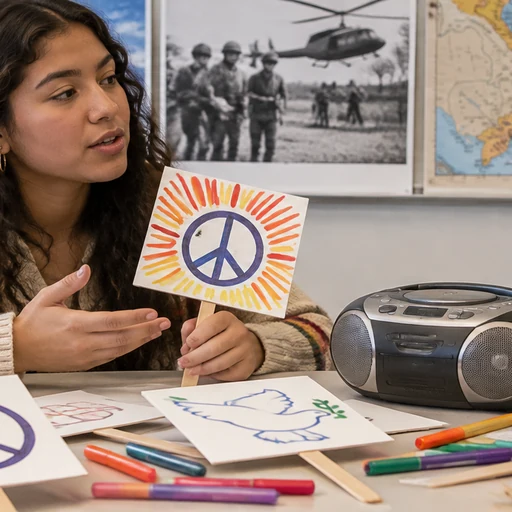
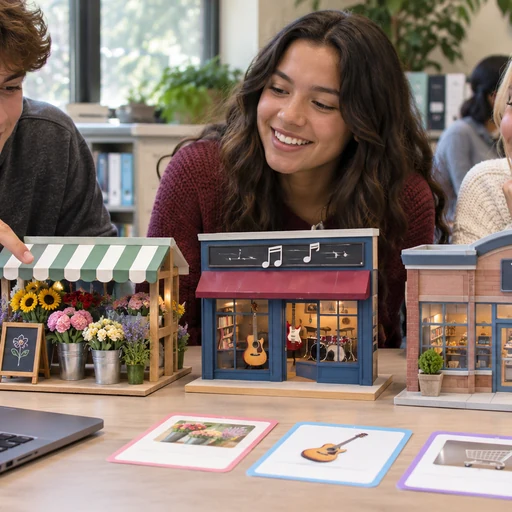
Protest Music of the 60's
Students will be able to demonstrate their knowledge about protest music of the late sixties by creating miniature protest signs while listening to “For What It's Worth” by Buffalo Springfield.
MusicElementary (K–5)Sequence of Events
Language Arts – Reading. Third grade; 18 students. Instruction time: 45 minutes.
Reading/WritingMiddle School (6–8)Columbus- Thanksgiving Lesson Plan
Students will learn about Columbus’s expedition, the exploration of the “New World,” and the first Thanksgiving while working on an art activity. One group will begin with exploration and the other with the first Thanksgiving, then switch topics so that both…
HistoryElementary (K–5)States and Shapes
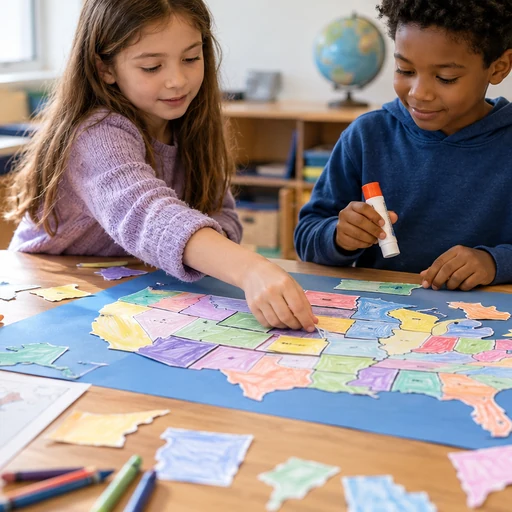
Students will identify which states are difficult for them to recognize.
Social StudiesElementary (K–5)Business Ownership
Students should be able to identify and define the three basic forms of private business ownership with 95% accuracy on a worksheet.
Career Technical EducationHigh School (9–12)Foot Theme - Compilation of Lessons and Activities
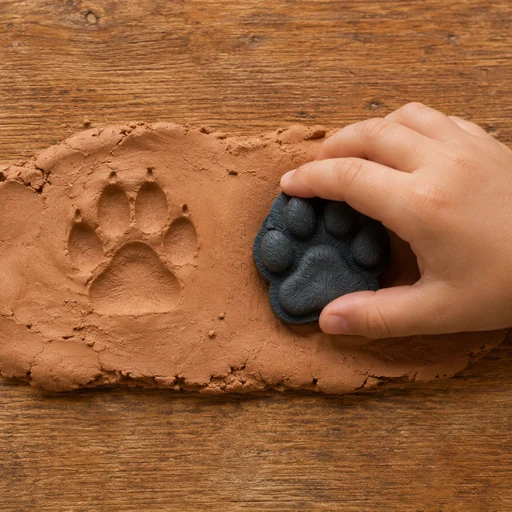
Children trace one foot on construction paper (provide an assortment of colors from which to choose), cut it out and write name on front. Display as "Meet Our Feet."
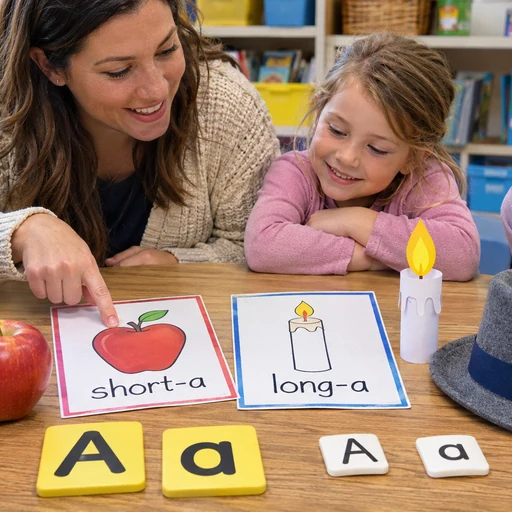
Elementary (K–5)Learning Short a and Long a Sounds
The learner will recognize the difference between the short a sound and the long a sound.
Reading/WritingElementary (K–5)Color Bingo
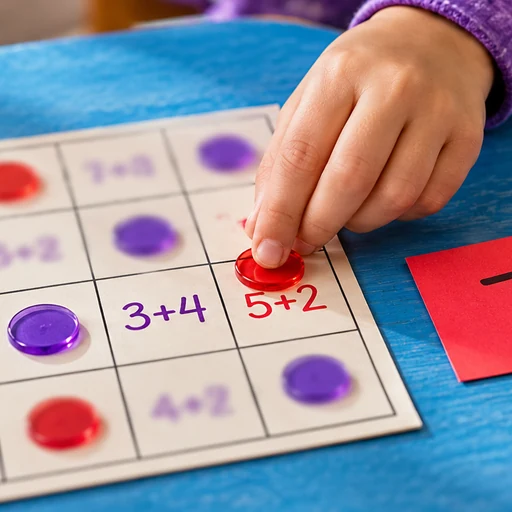
I made a regular bingo card but left off the letters BINGO at the top and did not give a free space. Using different colors, I put math facts in each space. I may have a purple 3 + 4 and a red 5 + 2 on the same card.
MathematicsClimate in Our Back Yard (Pennsylvania)
The learner will describe major characteristics of Pennsylvania’s climate and seasons and explain their significance to everyday life. (UO #5; cognitive and affective)
ScienceElementary (K–5)Linking! Linking!
Students are able to identify that a sentence can be divided into thought groups.
LanguageHigh School (9–12)