Find Lessons
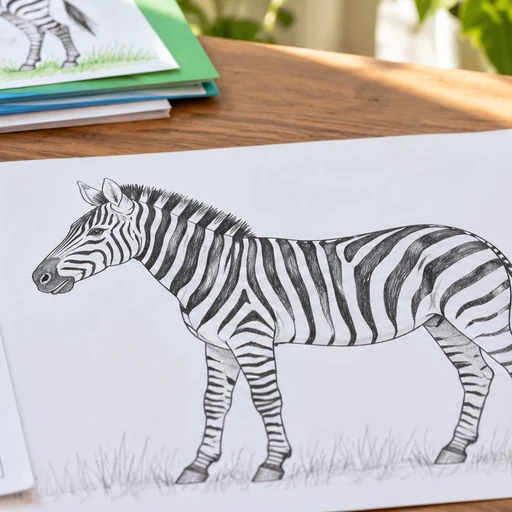
Zoo Animal Facts
After researching their assigned animal, students will create one fact sheet naming the animal’s habitat, distinguishing characteristics, diet, country of origin, and any interesting facts they find.
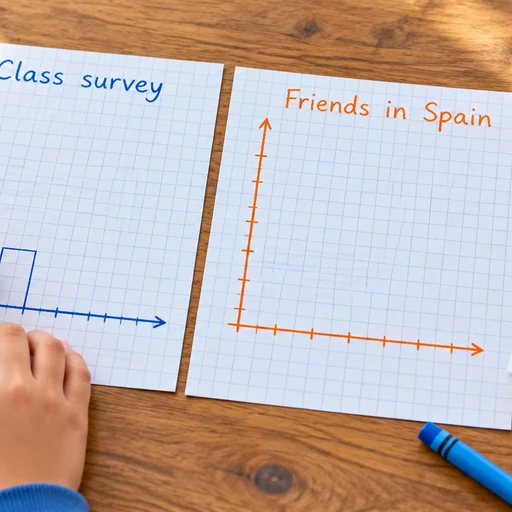
Reading/WritingElementary (K–5)How Different Are We from Other Students
Students will be able to make bar graphs from data they have collected.
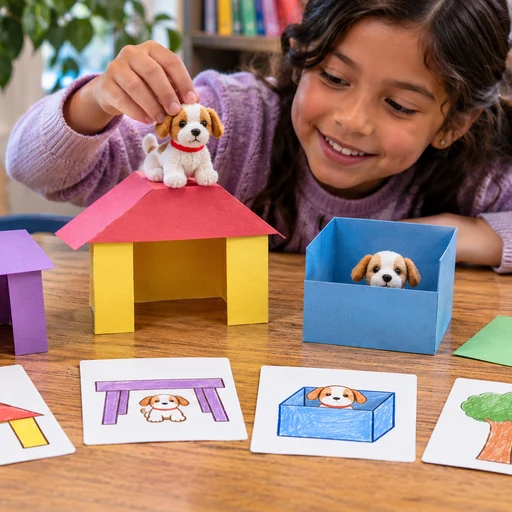
MathematicsElementary (K–5)Prepositions
The third-grade class will study prepositions and their use in sentences through a picture book and various worksheets. Students will then demonstrate their knowledge by constructing their own storybooks using prepositions, with the goal of earning an “A” on…
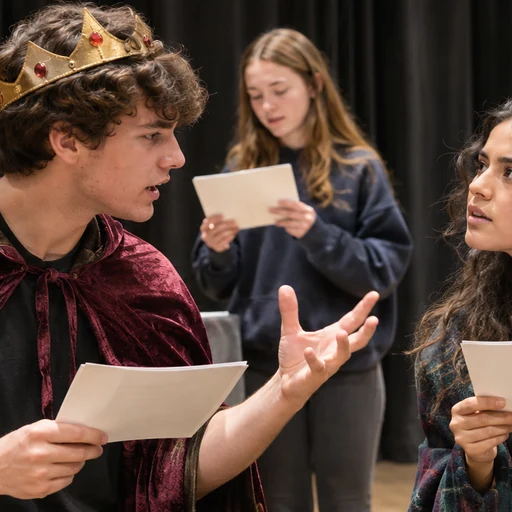
Reading/WritingElementary (K–5)Macbeth Final Project
This assignment completes my "Macbeth" unit. It allows students to show their understanding of the language of the play in a creative, and oftentimes humorous, way. It's a take on the clichéd "rewrite a scene in today's language" activity.
LiteratureHigh School (9–12)Clean-up
My children know from day one that when free play is nearly over, I will say, “It's five minutes till clean-up.” Five minutes later, I play Mozart's “Ah, vous dirais-je maman,” which is a set of variations on “Twinkle, Twinkle, Little Star.”
MusicEarly ChildhoodRecognizing High and Low Pitch
As a result of this lesson, students will be able to:
MusicElementary (K–5)Christmas Family Keepsake Calendar
Make a calendar with each family's special days, such as birthdays.
ArtEarly ChildhoodNatural Selection
Following a lecture and subsequent activity on natural selection, general biology students will be able to list the key points of Darwin's theory of natural selection and explain the peppered moth as an example of natural selection with 100% accuracy.