Find Lessons
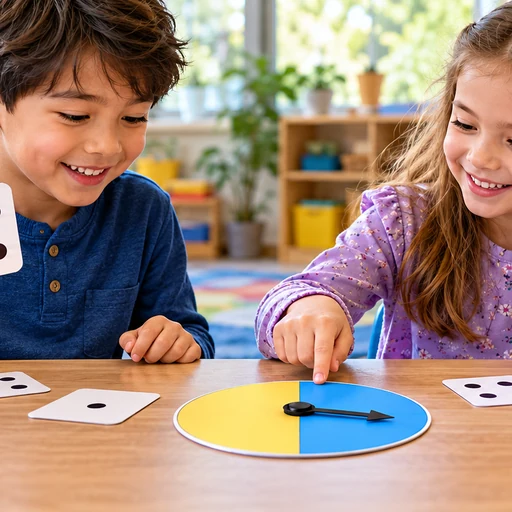
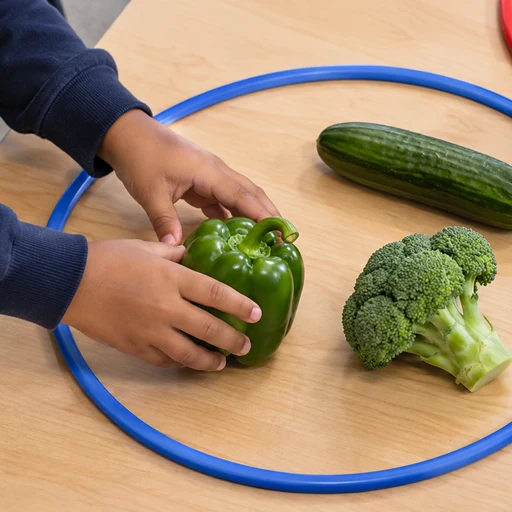
Fun with Greater or Less in Math
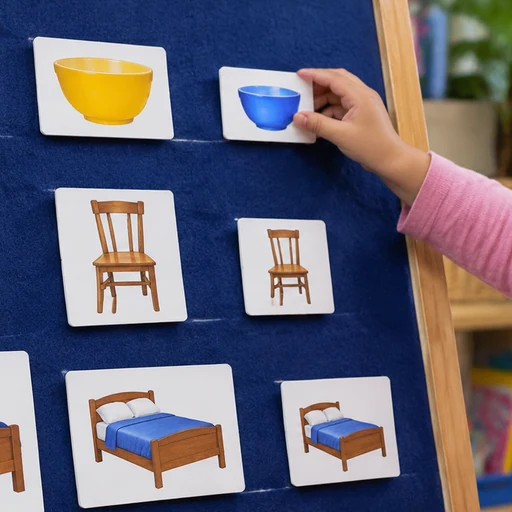
This lesson teaches students to compare quantities in terms of less, more, or the same. Comparing objects in these terms is used every day in a child’s life and is vital to the child’s academic growth.
MathematicsElementary (K–5)I didn't Know Know That You Can Jump Higher on the moon?
In this lesson, we will read the book "I didn't know what you can jump higher on the moon," written by Kate Petty. The book describes different discoveries in space and has many sections. It also uses two symbols: one identifies fun projects to go with the…
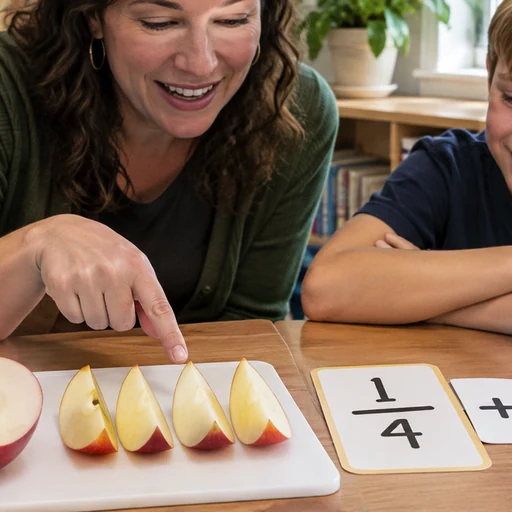
ScienceElementary (K–5)Teaching Fractions Easily
This activity is geared toward 3rd or 4th graders, but it can help learners of any age.
MathematicsElementary (K–5)Book Projects: The Cay
Choose ONE of the four book projects for the book we have just read together in class, Theodore Taylor's The Cay. Whichever project you choose, it must be done neatly and carefully. Remember, you only have to choose one project. You may take the book home to…
Reading/WritingElementary (K–5)Understanding WH Question Forms
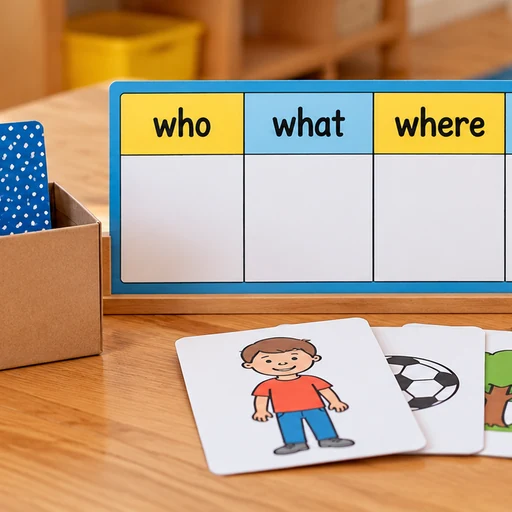
This lesson is a final stage in teaching students to understand and use 'wh' question forms.
LanguageElementary (K–5)Film Adaptations
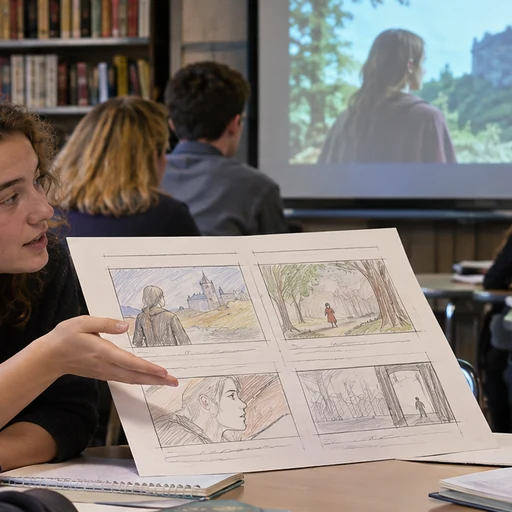
Tell the class that a wealthy producer has decided to film the text and has engaged the services of the director of his choice. Students then pick a slip of paper with the name of a director and have a specified time to develop this director’s view of the…
LiteratureHigh School (9–12)Opposite Vocabulary Development (Antonyms
Share a reading of the big book "The Three Bears."
LanguageEarly ChildhoodTravel Brochure
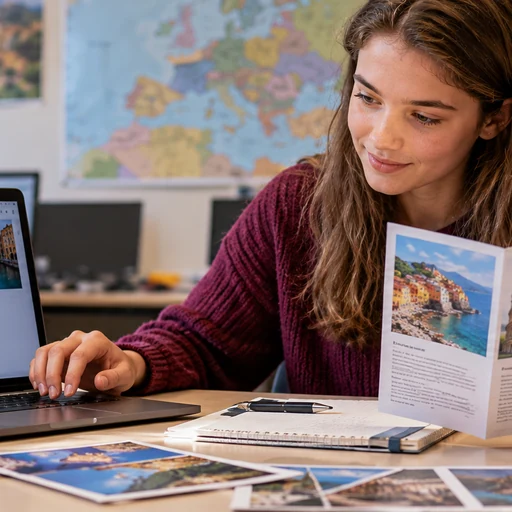
To write effective paragraphs that include factual information presented in a creative and interesting manner. Students will develop the structural and creative skills necessary to produce written language that can be read and interpreted by various audiences.
LanguageHigh School (9–12)Nutrition/Food Pyramid Ideas Compiled from Mailring Search
We made these books with the whole class. I wrote each book’s text on sentence strips and put them in the pocket chart for daily reading. We also made a big book to keep in our classroom library. The kids love being able to read them, and they love the…
ScienceEarly ChildhoodDescriptive Writing
The teacher demonstrates with a sample and a mapping (webbing) prewriting activity.
Reading/WritingMiddle School (6–8)