Find Lessons
Vectors for Beginning Physics Student
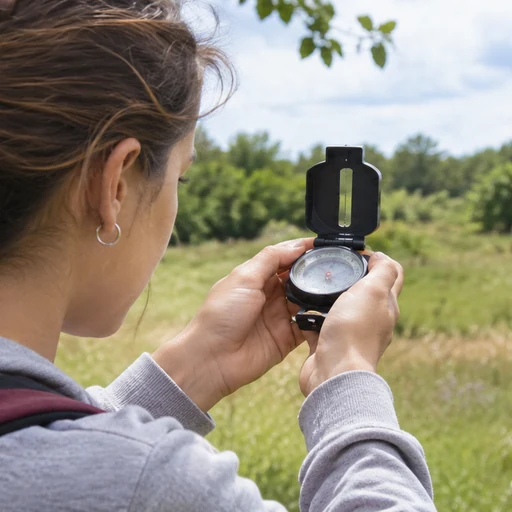
Mark off a long section (100 ft or so). Have students measure their pace by counting steps over 1000 feet and then dividing by 1000.
ScienceHigh School (9–12)Simple Machines
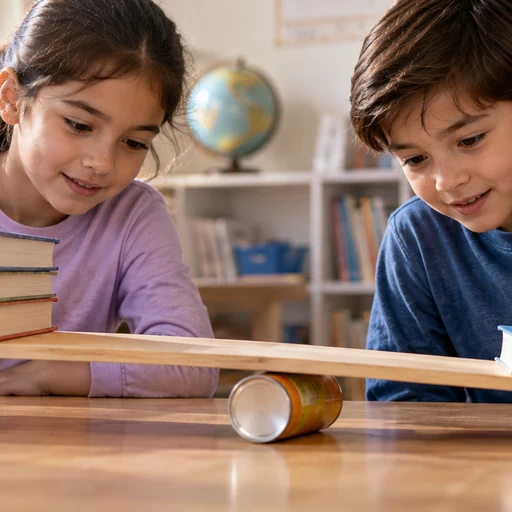
Levers have 3 parts. The part where the lever is supported is called the fulcrum. The part from the fulcrum to the weight you want to lift is called the weight arm. The part from the fulcrum to where you are pushing or pulling is called the force arm.
ScienceElementary (K–5)Watercolor and Poetry
The learner will be able to distinguish between rhyming and non-rhyming poetry.
ArtElementary (K–5)Classifying the Unknown
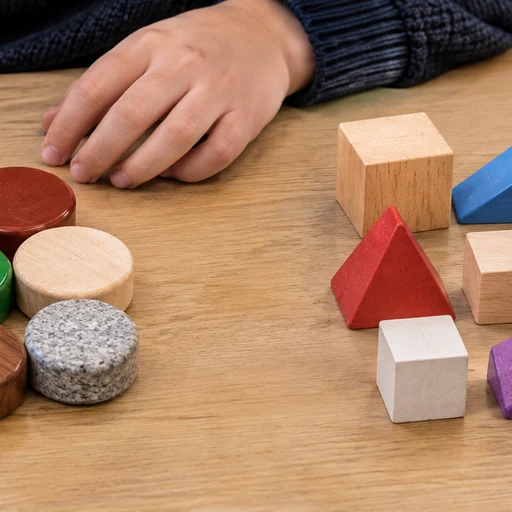
The learner will physically arrange objects with similar characteristics into groups and construct a written list of common features for each group.
ScienceRestaurant Writing Project
When you teach students about writing business letters or friendly letters, have them write to the owner or manager of their favorite restaurant.
Reading/WritingElementary (K–5)Artsy Snowmen
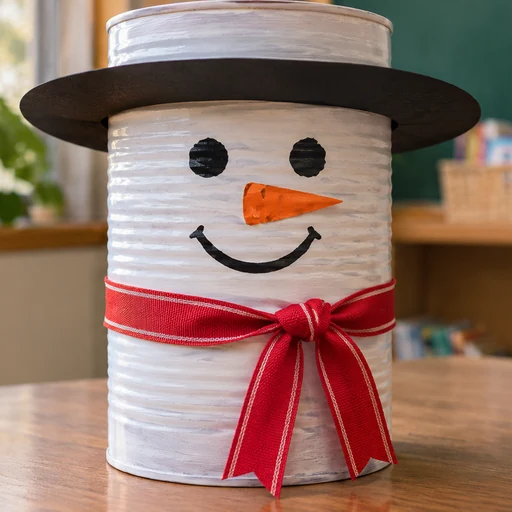
I collect those large food-service cans from our cafeteria ladies, and our Kinders use them to spray-paint the lower 2/3 white and the upper 1/2 black.
ArtChemistry Holiday Music
Have students choose holiday music and write their own words relating to chemistry content. The lyrics must teach from the first line.
ScienceHigh School (9–12)Scientific Method Using M&M's
Have each student bring in a bag of M&M's. Give each student a copy of the scientific method.
ScienceMiddle School (6–8)Surface Tension on Coins
The purpose of this activity is to study surface tension and the effect that soap has on it—and to encourage teenagers to develop their reasoning powers.
ScienceMiddle School (6–8)