Find Lessons
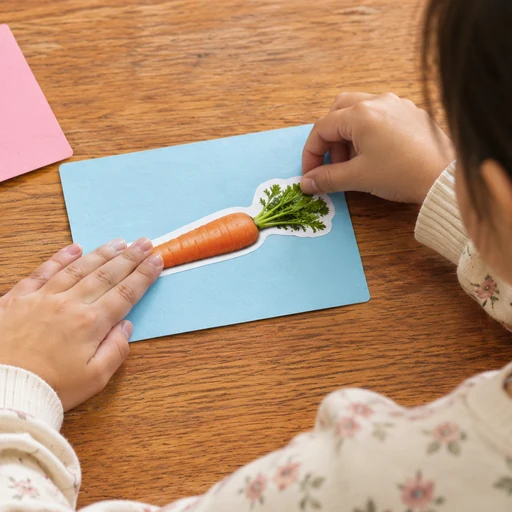
Name of Things in Spanish
One of the difficult things to find is enough flashcards with all the things we want to teach.
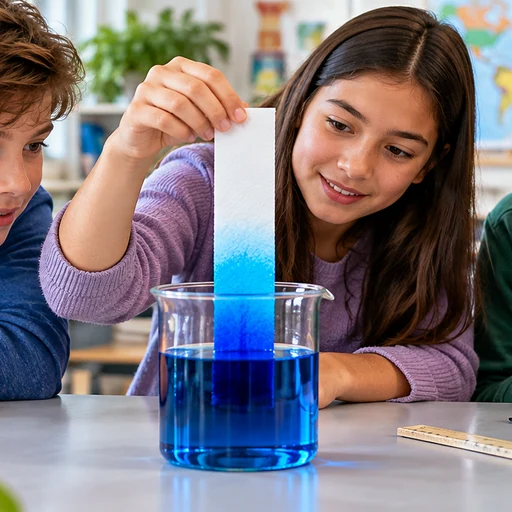
Early ChildhoodCapillary Action Experiment
Fill your beaker with water. Add a reasonable amount of food coloring to the water.
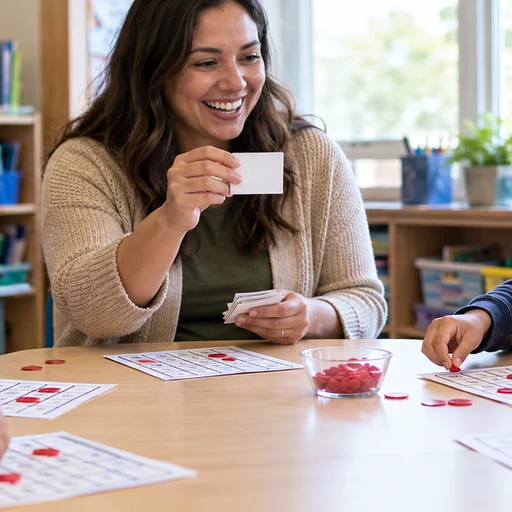
ScienceMiddle School (6–8)Bingo! I know!
Practice identifying ten Dolch words and classmates’ names by marking each word when called by the teacher.
Reading/WritingElementary (K–5)Warm-up/Time Filler Activity
Courtesy of my teacher wife, I call this game "Back-to-back", and it's a firm favourite with my kids.
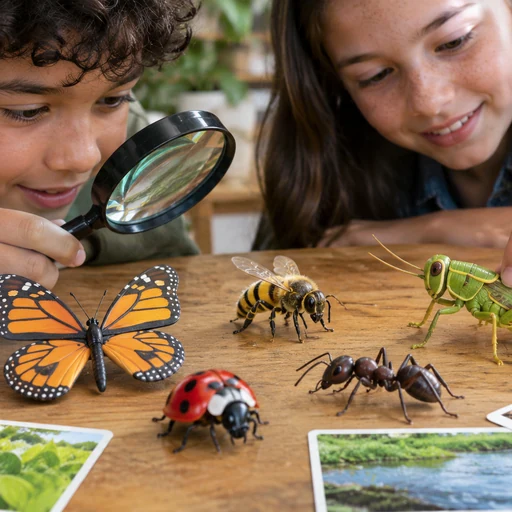
Elementary (K–5)Lincoln Index
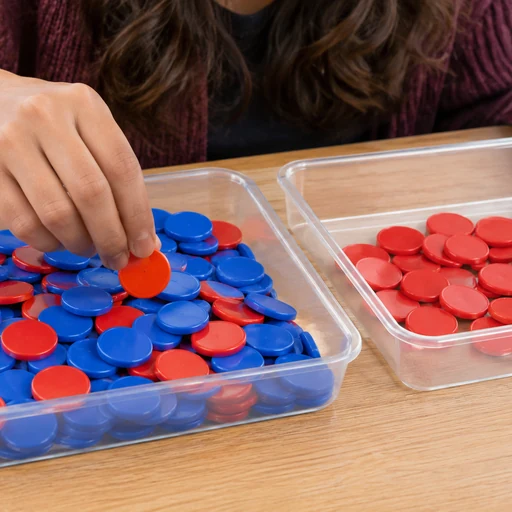
The best way to measure the size of a population is to count all the individuals in that population. When determining the population sizes of trees or other relatively immobile organisms, this method is practical. If the organisms are mobile, however, such as…
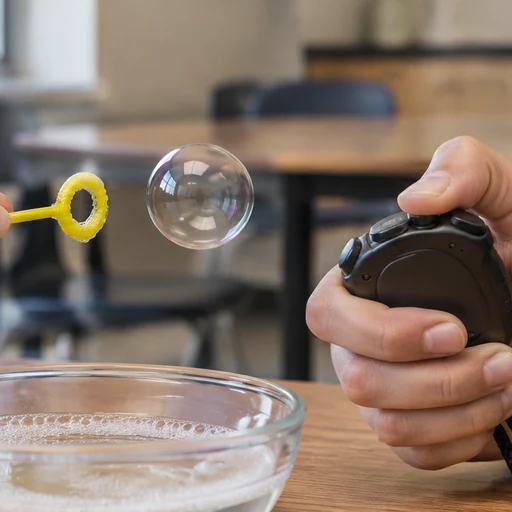
ScienceHigh School (9–12)Life of a Soap Bubble
A life table, first used by insurance companies, is a way to determine how long, on average, an individual of a given age could be expected to live. A graphic way to represent some of the data collected for a life table is to draw a survivorship curve. This…
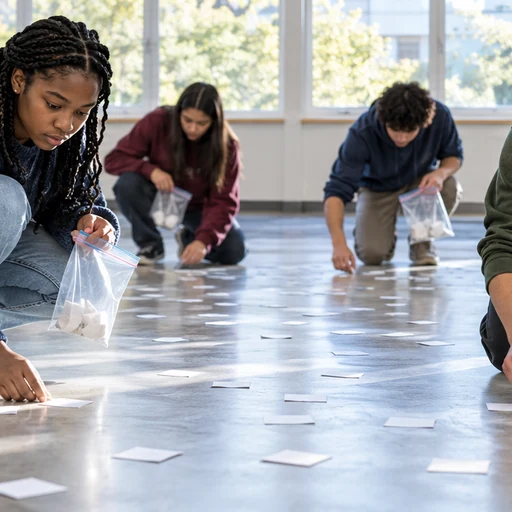
ScienceHigh School (9–12)Survivor - The Real Story
Scatter food cards face down over a large open area.
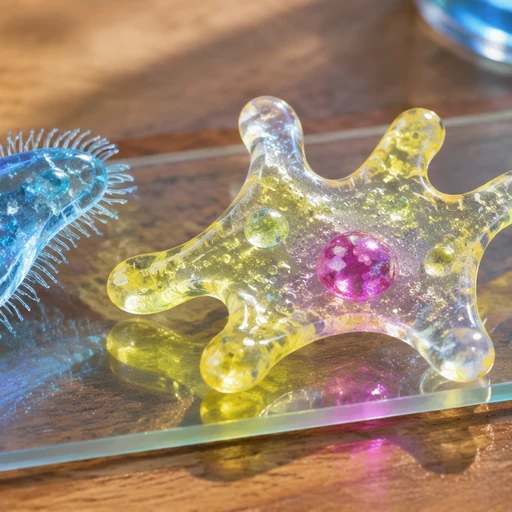
ScienceHigh School (9–12)Protozoans on Parade
Design a postage stamp to commemorate your assigned protozoan.
ScienceHigh School (9–12)Civil Rights Movement: Investigating Nonviolence
Use examples and contrasting cases to help students investigate nonviolent approaches during the Civil Rights Movement. The lesson asks students to recall prior learning, form hypotheses, test those hypotheses against new information, and identify the…
HistoryHigh School (9–12)