Find Lessons
Teaching Leads in Writing
The lead (beginning or introduction) establishes the direction writing will take. A good lead grabs the reader’s attention. It is often called a hook. Each lead should have at least three sentences.
LanguageMiddle School (6–8)The Tattle Tail Tale
Children will be able to determine if something is a tattle or a report.
Elementary (K–5)Butterfly Glyph
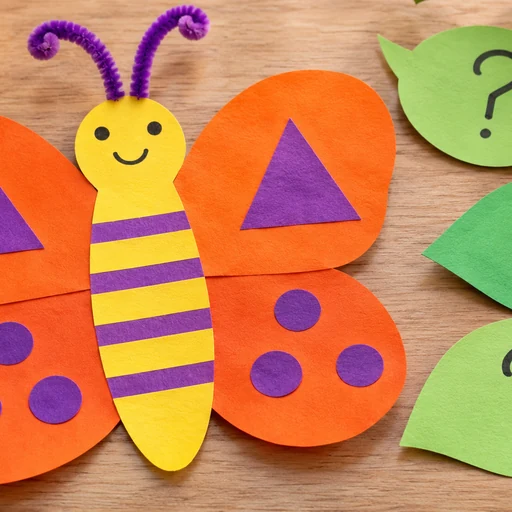
I used a simple butterfly shape for the glyph and a leaf shape for the questions.
MathematicsElementary (K–5)¿Cómo Se dice?
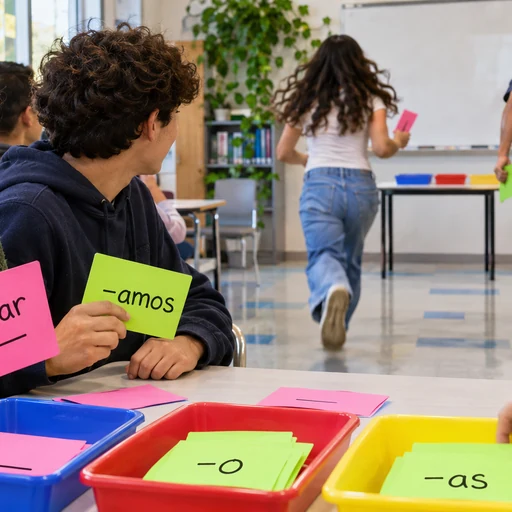
On each card, write a regular -er, -ir, or -ar verb in its infinitive form along with its English translation. Below that, write the verb stem. On other cards, write the person endings for the present indicative tense. I find it helpful to use the same color…
LanguageMiddle School (6–8)Prime and Composite Numbers with Use of Manipulatives
The learner will learn what prime and composite numbers are and how to identify them by working in a group and demonstrating an understanding of one work problem with 100% accuracy using the manipulatives provided.
MathematicsElementary (K–5)Middle School (6–8)Possible Projects -- The Crucible
While you are reading this play, think about things you could do to expand your understanding of what is going on. Apply what we have talked about in class to your projects. Don't be afraid to be creative!
LiteratureHigh School (9–12)Metric
This project has three activities: collect data on a country you would most like to visit; compare countries and determine which country your group would most like to visit; and research the group’s country using the five themes of geography, then present the…
ScienceMiddle School (6–8)Listening Practice
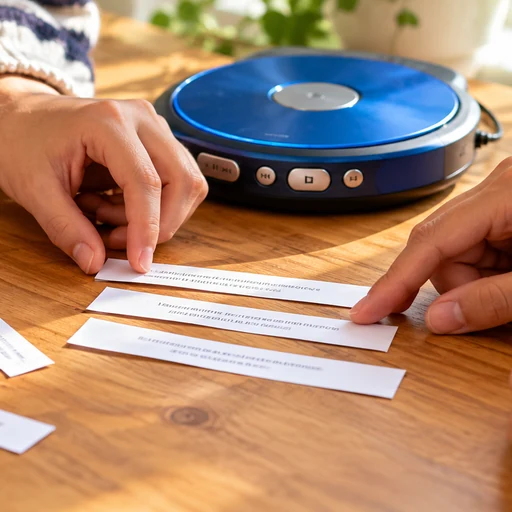
I teach English at different levels (5th–10th grades), and I always have trouble teaching students to listen to different texts. So I picked a song and tried this activity.
LanguageAll About Pumpkins!
Observe a pumpkin turn from green to orange and discuss the change during calendar time.
ScienceElementary (K–5)