Find Lessons
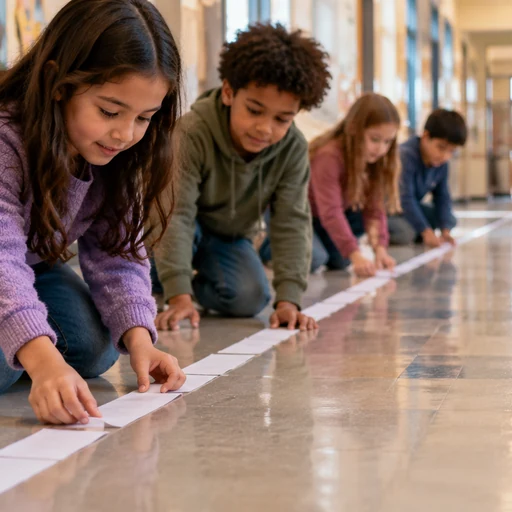
Dinosaur Measurement
This is a really fun way to give students a concrete idea of just how large dinosaurs really were.
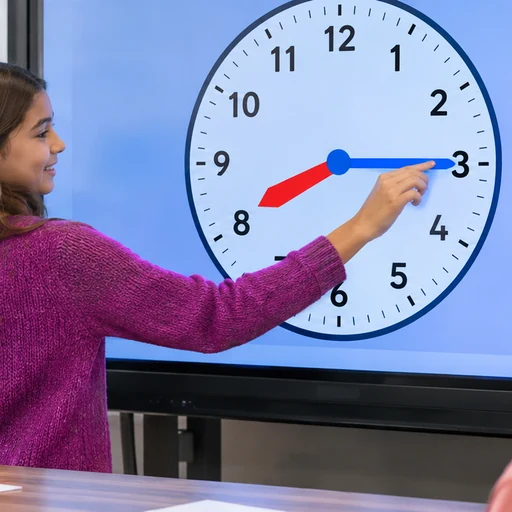
MathematicsElementary (K–5)ClockMaster Game
This is a whole-group computer game you can play with any class that is learning to tell time.
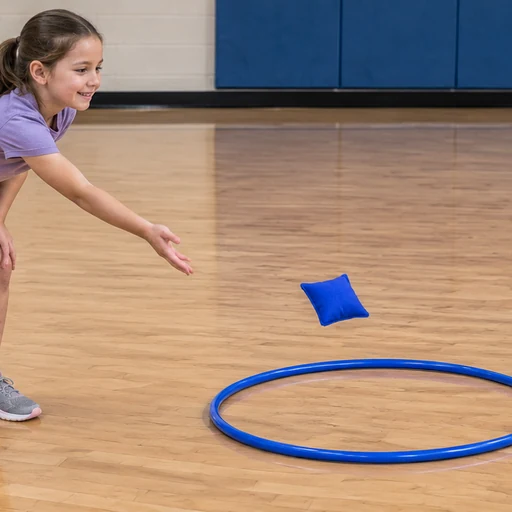
ComputerElementary (K–5)Toss by Color
Students will be able to run to and recognize the color of beanbag the teacher calls out, then toss that beanbag underhand with control and accuracy to a color-coded hula-hoop in their own zone.
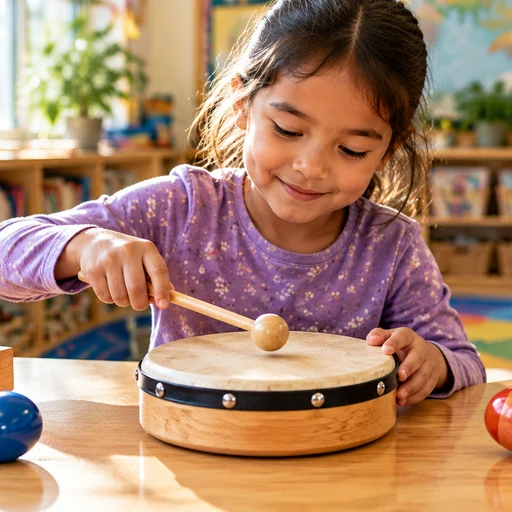
Phys EdElementary (K–5)Distinguishing High and Low from Loud and Soft
Students will be able to distinguish between high and low sounds and loud and soft sounds. Students will not confuse high with loud or low with soft.
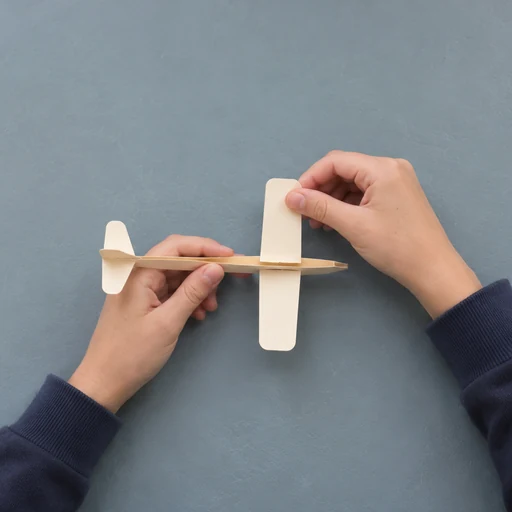
MusicElementary (K–5)Building Vocabulary with Model Airplanes
The cadet will apply airframe terminology in the construction of a flying model airplane.
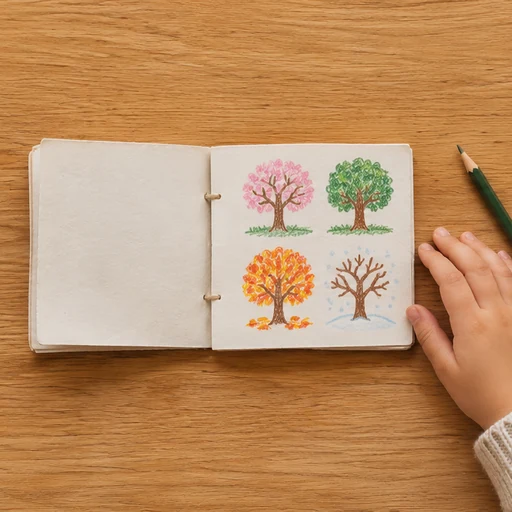
5E Science Lesson Plans for Elementary School
Each lesson plan has at least five components: Engage, Explore, Explain, Elaborate, and Evaluate. RESCu was developed in the Rice University Elementary Model Science Lab and is a free resource for teachers. It includes teacher guides and student workbooks.
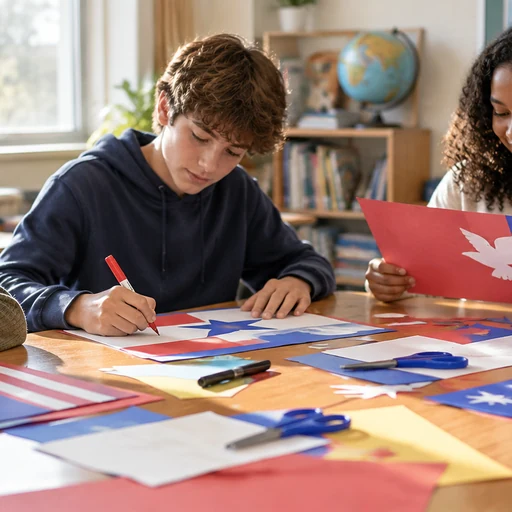
ScienceElementary (K–5)Colonial Flag
Students will acquire an understanding of what happened after the colonies gained their independence from England.
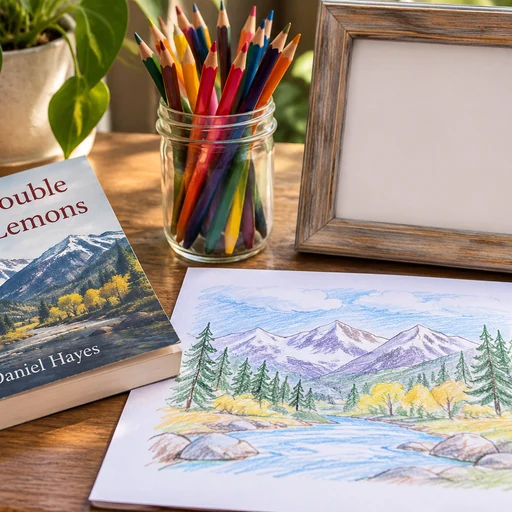
Social StudiesMiddle School (6–8)The Trouble With Lemons: Illustrating a Scene
On page 37 of The Trouble With Lemons by Daniel Hayes, there is a great description of a scene in Colorado. As an alternative to a question-and-answer exercise, I have the students illustrate what they have read.
LiteratureMiddle School (6–8)Dance
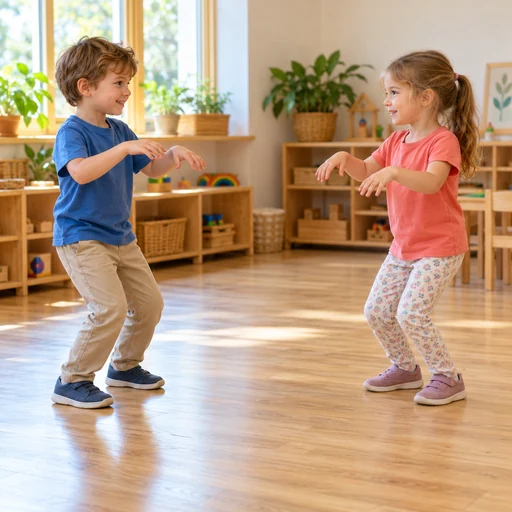
This unit of work focuses on the elements of action, time, space and relationships. Students make short movement phrases in response to ideas, moods and kinesthetic stimuli, which they may share with their peers. Students learn to respond in movement to a…
Phys EdElementary (K–5)Rain
This unit provides a sequence of learning opportunities where students make a class dance based on the idea of rain, developing their understanding of the natural environment as a source for dance ideas.
Phys EdElementary (K–5)