Find Lessons
Introduction to Environmental Sciences
The purpose of the course is to impart modern information on man's environment at various scales, from the global to the local; to integrate the study of the different fields of physical geography; and to consider the ways in which man both affects and is…
ScienceCollege/UniversityVisit the Rain Forest
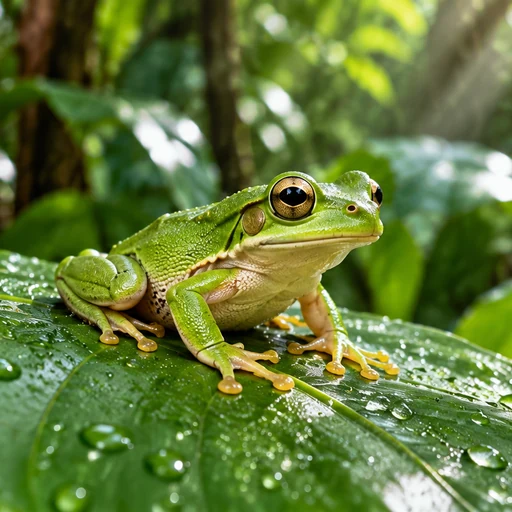
The goals of this scavenger hunt are to introduce and define what a tropical rain forest is, explore the animals and plants that exist there, and build global awareness of the importance of rain forests in your life.
ScienceElementary (K–5)Sparkle: A Spelling Game
All students stand. The teacher picks a student to begin and selects a spelling word from the current week's list. The teacher asks that student to give the first letter.
LanguageWeather
Concept to be developed: To help the child better understand what weather is and how it affects us.
ScienceElementary (K–5)Natural Disaster Blooms Taxonomy
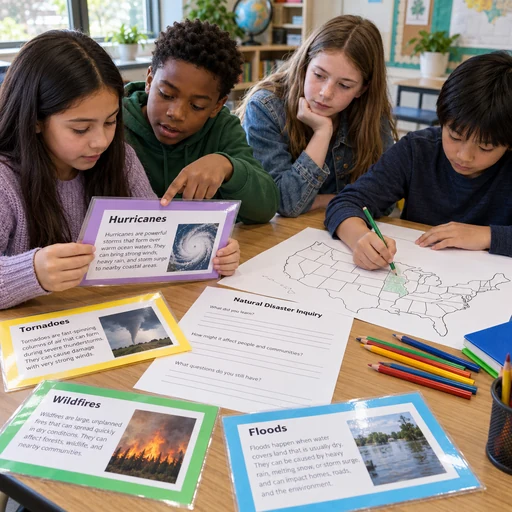
This Natural Disaster Bloom’s Taxonomy activity could be used with a unit on weather. The information on the different disasters is for information cards that could be included in the Bloom’s folder. I mounted my cards on construction paper and then laminated…
ScienceElementary (K–5)Counting Rhymes and Rhyming Pictures
Read or sing the story A' counting we will Go to the children.
MathematicsEarly ChildhoodCLEAN YOUR ROOM
I collect old socks—wash them, of course!—and tie a knot in them. These are the dirty clothes. One half of the class plays against the other!
Phys EdWork, Force, and Energy, A Lab Investigation
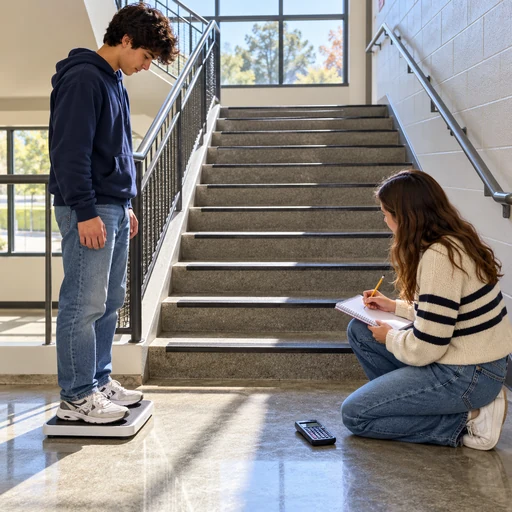
Students will be able to calculate energy used to move their mass.
ScienceHigh School (9–12)Independent Study Unit on the Gas Laws
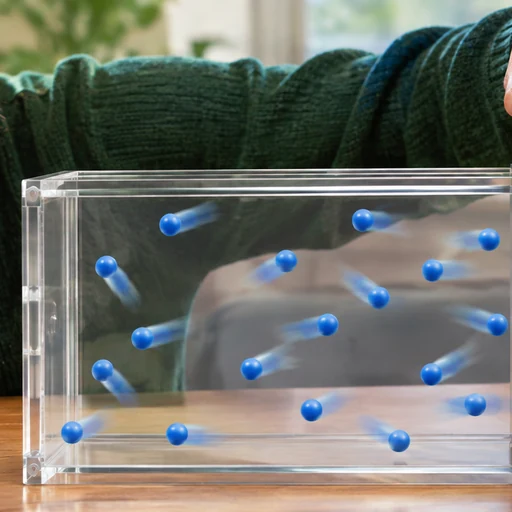
Use the Kinetic Theory as a model to explain the gas phase.
ScienceHigh School (9–12)Types of Chemical Equations - Handout
Equations in chemistry consist of two major divisions: the reactants side and the products side. The reactants (the elements and compounds that are reacting) are written symbolically on the left, and the products (the results of the reaction) are written on…
ScienceHigh School (9–12)