Find Lessons
Cause and Effect SDAIE Lesson
To recognize that “cause” is the reason something happens and “effect” is the result; identify the causes and effects in a work of fiction.
LanguageElementary (K–5)Understanding Immigration Through the Use of Triante Poetry
To create a triante poem that demonstrates the major themes in literature.
LiteratureElementary (K–5)How-to Lesson
Show the peanut butter, jelly, bread, and knife. Ask, “I have all of these items here, but I don’t know what to do with them. Who can tell me what I am supposed to do with these?”
LanguageA Fun Alternative Way to Teach Children The Keyboard
Seat the children in a semicircle around the keyboard.
ComputerElementary (K–5)The Giver: Black-and-White Photography
In The Giver, there is no color. This lesson includes studying Ansel Adams, a famous black-and-white photographer.
LiteratureMiddle School (6–8)Properties of Triangles
Take a yes-or-no vote. Ask: “Is there any relationship between how big a side of a triangle is and how big its opposite angle is?”
MathematicsHigh School (9–12)Red Rover, Beach Ball Freeze Tag, Red Light Green Light
Today we will have a lot of fun while playing and listening to directions. We will pay close attention to our personal and general space. We will also use common courtesy while interacting with our classmates during all activities. We need to follow…
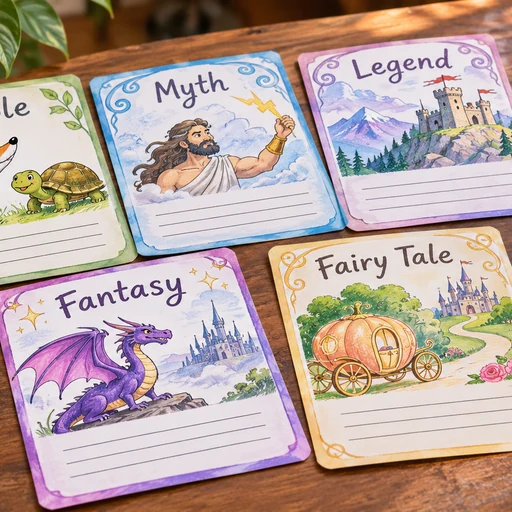
Phys EdElementary (K–5)Fantasy, Fables, Myths, Legends & Fairy Tales
Students identify the differences among the five genres and create their own examples.
Reading/WritingElementary (K–5)The Bean Tree's - Country Wisdom
Much of Barbara Kingsolver's novel The Bean Trees is written in common English, designed to appeal to readers of every education level. Embedded in that plain language is solid advice about how to live.
LiteratureHigh School (9–12)