Find Lessons
FOILing
Students will learn a procedure for multiplying two binomial expressions and the FOIL acronym for that procedure. Do not state the objective to the class, since this is a discovery lesson.
MathematicsMiddle School (6–8)A Poem for Mean, Median and Mode
The objective of this poem is to help students recognize and remember the difference between mean, median and mode. Although they may not remember the poem, key words like “fiddle” and “pot of gold” will often trigger their memory.
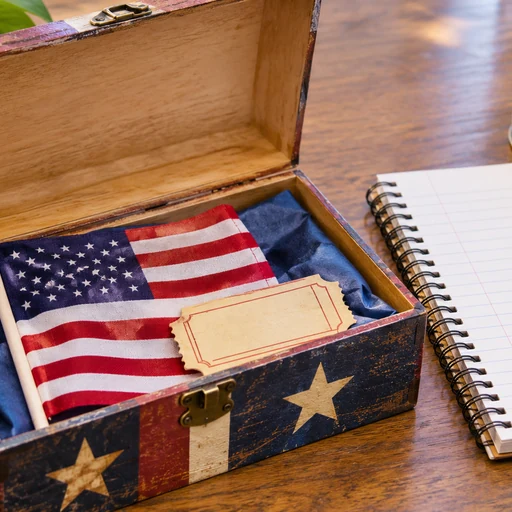
MathematicsMiddle School (6–8)Our Special Keepsake
Subject area: Language Arts Focus: Paragraph Writing/Topic Sentences Date: January 18, 2006 Grade: 3rd Teacher: Mrs. Steele
Reading/WritingElementary (K–5)Making a Region Map of a State
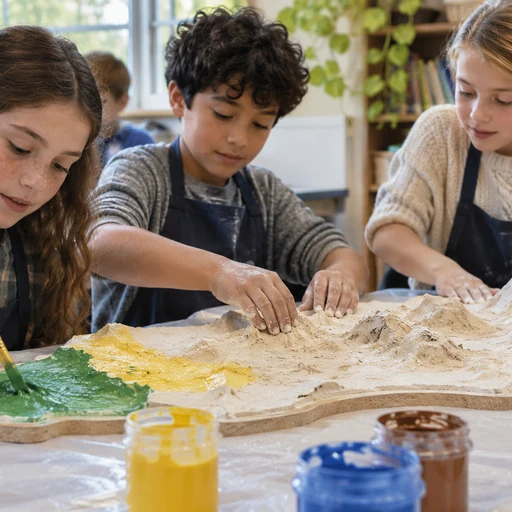
This is a culminating lesson to be done after studying your state's regions.
GeographyElementary (K–5)Light & Crystals
To use hydrogel crystals in a hands-on activity to study light refraction through two media and to stimulate critical thinking.
ScienceMiddle School (6–8)Running
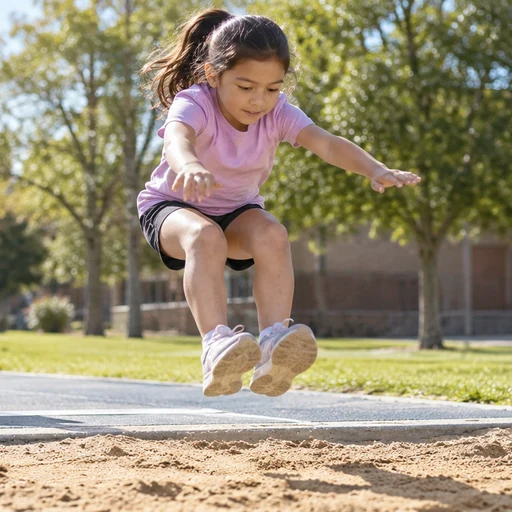
Learn running techniques and the standing start.
Fairy Tale/ Folk Tale Museum
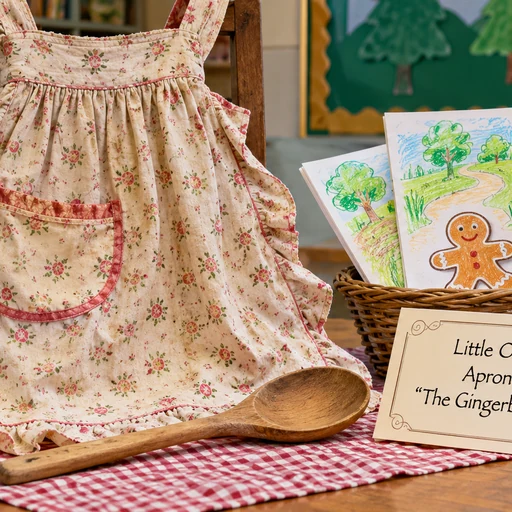
Do not tell the kids why, but ask them to bring from home 2 or 3 items that their family doesn’t use anymore. Make sure parents know that the items might not be returned.
LiteratureElementary (K–5)Simultaneous Print and Audiobook Instruction
I have found this helpful for myself in developing fluency in Spanish, and believe it would be helpful for advanced ESL students and dyslexic students who read at the 10th-grade level and above.
LanguageHigh School (9–12)