Find Lessons
Thoreau and Emerson pre- and post-read
The following questions are given to students before and after reading excerpts from Thoreau’s Civil Disobedience and Emerson’s Self-Reliance as contained in the Literature and Integrated Studies textbook.
LiteratureHigh School (9–12)Character Counts Chart for Video
I use this lesson with my 8th graders to help them recognize the six character traits in our Character Counts program.
Reading/WritingMiddle School (6–8)Cultural Awareness
Students will be able to describe some of the various traditions in Africa.
Social StudiesElementary (K–5)Middle School (6–8)Sharing Traditions-Cultural Awareness
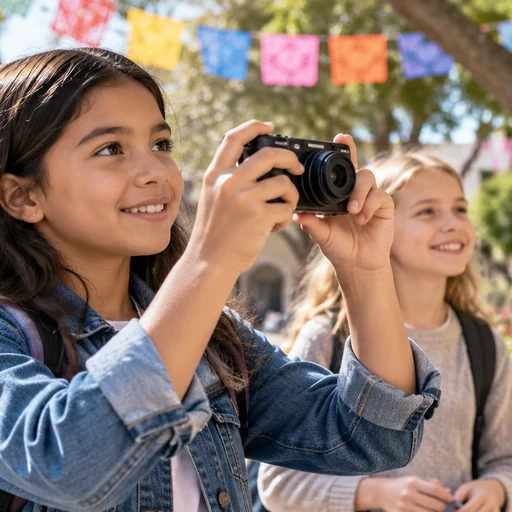
Students will learn to understand and appreciate the cultural diversity that exists among one another.
Social StudiesElementary (K–5)Middle School (6–8)Traditions in Your City and Community
Lesson topic: Cultural Awareness—Traditions in your City and Community
Social StudiesElementary (K–5)Middle School (6–8)Periodic Table Unit
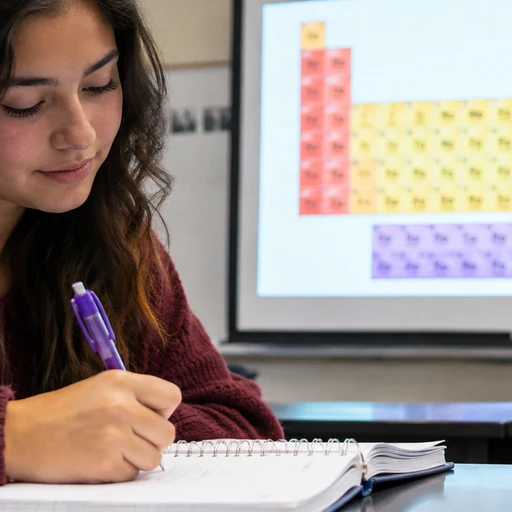
This will be the first in a series of three lessons on the periodic table and the families of elements. This will give the students the background information that they will need in order to complete the following two lessons.
ScienceHigh School (9–12)Language Evolution
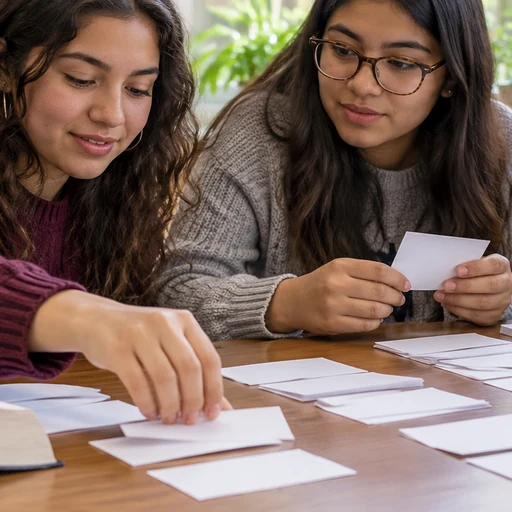
To address the idea that language is a changing and evolving entity, I did an open word sort.
LanguageMiddle School (6–8)Writing Process Unit Plan
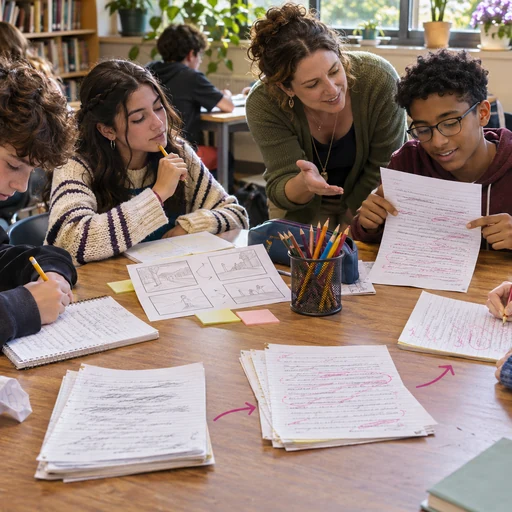
Subject Area: Language Arts • Grade Level: 7 • Approximate Time Needed: Eight weeks
Reading/WritingMiddle School (6–8)M&M Graphing and Probability
Charts and graphs are valuable instruments for communicating data quickly and simply. They can also stimulate discussion and promote mathematical thinking. Graphing activities for elementary students should include more than fixed displays of information. A…
MathematicsElementary (K–5)Creative Short Story
Bring up a short story or book previously read in class that everyone enjoyed and discuss it with the class. Offer a made-up alternate ending to the story and give students the same opportunity to see how fun the creative process can be.
Reading/WritingElementary (K–5)