Find Lessons
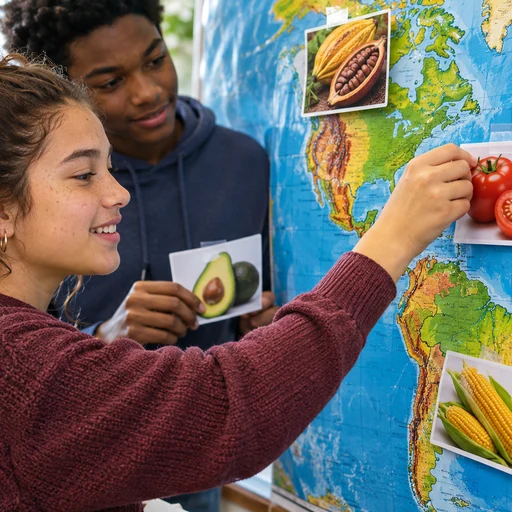
Mapping the Foods of the New & Old World
Many students do not know the origins of common foods such as tomatoes and chocolate. This introductory lesson will help students see which New World foods are common in the American diet.
Social StudiesMiddle School (6–8)Direct Variation
When two variable quantities have a constant ratio, their relationship is called a direct variation. One variable is said to “vary directly” as the other variable. The constant ratio is called the constant of variation.
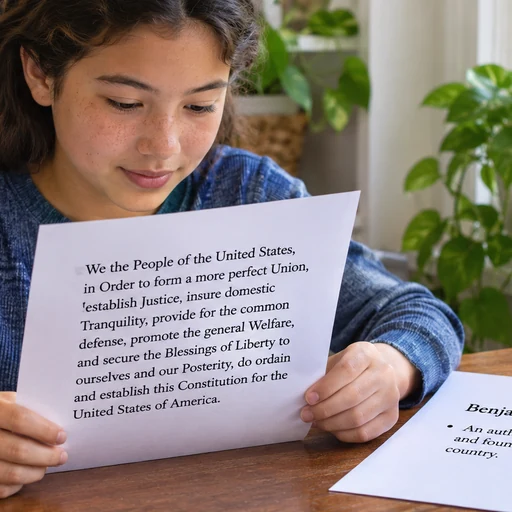
MathematicsHigh School (9–12)Constitution Day
Print this sheet for students and have them follow it step by step.
Social StudiesMiddle School (6–8)Teaching Math with The Gingerbread Man
Unit grade level and subject: K–1, Mathematics.
MathematicsElementary (K–5)Buttons, Buttons
Name: Stephanie Mullins Date: 1/9/08 Grade Level: Kindergarten Subject: Math Number of Students: 23 Number of IEP Students: 6 Major Content: Number and Algebra Unit Title: Begin With Buttons
MathematicsElementary (K–5)Green Kissing Toads
Students will learn the parts of a map in order to use maps in geography class.
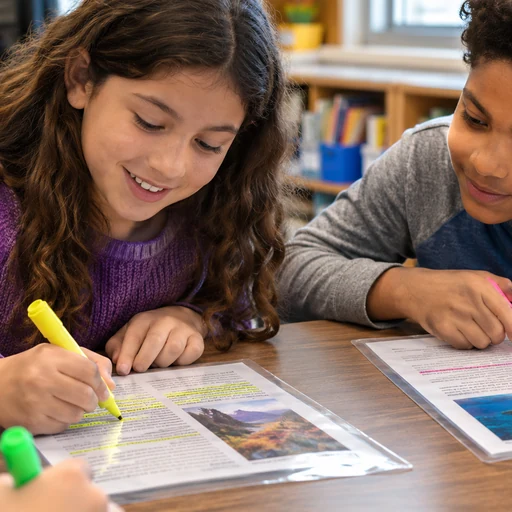
Social StudiesMiddle School (6–8)Analyzing Feature Articles
Looking for a way to introduce your students to feature articles? First, find some feature articles that are interesting to students. I used Time for Kids feature articles. Next, I laminated at least 25 articles to protect them from the wear and tear of…
Reading/WritingElementary (K–5)Ruby Bridges Think-Tac-Toe
Think-Tac-Toe boards are an excellent way to give students choices in learning while incorporating DOK questions.
Social StudiesElementary (K–5)The Right Number of Elephants
State what comes before and after a given number, 0–10.
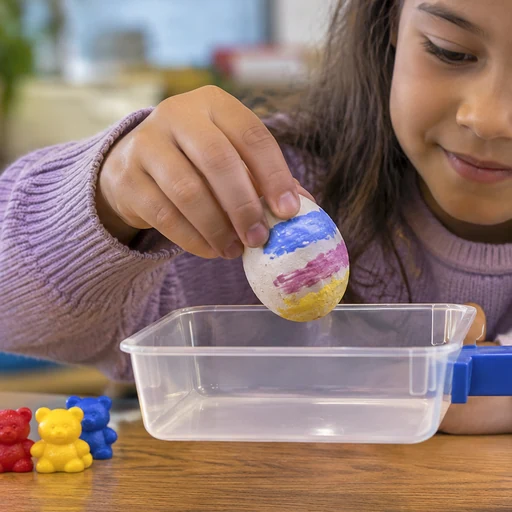
MathematicsElementary (K–5)Eggciting Eggsperiments
Count objects up to 20 using one-to-one correspondence.
MathematicsElementary (K–5)