Find Lessons
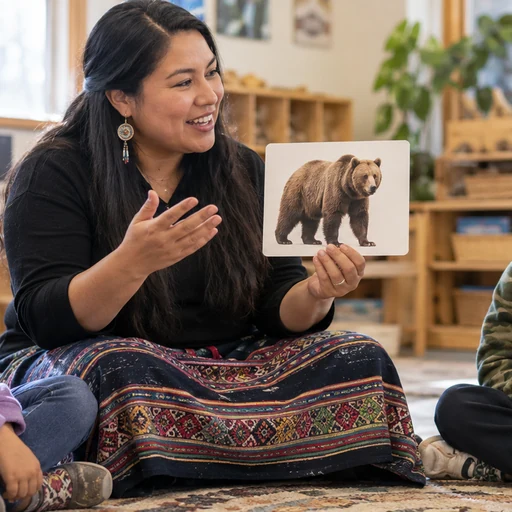
What Animal Am I Thinking About?
Science Goal 1: The learner will make observations and build an understanding of similarities and differences in animals.
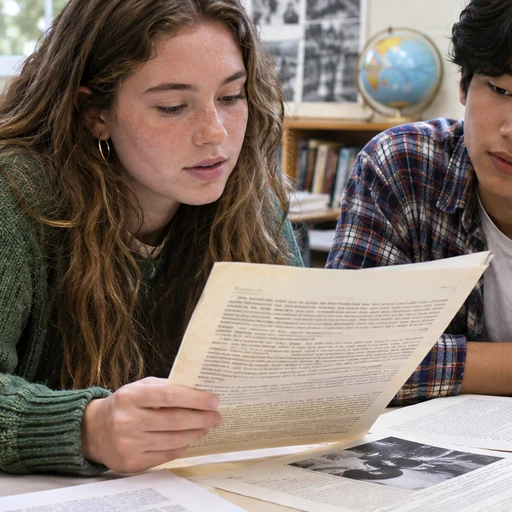
ScienceElementary (K–5)The Tumultuous 60s
This unit is designed for an 11th grade U.S. History class. Students should have background knowledge of the conservatism of the 1950s to understand the chaotic nature of the 1960s. They should draw on their understanding of the Cold War’s effects: domestic…
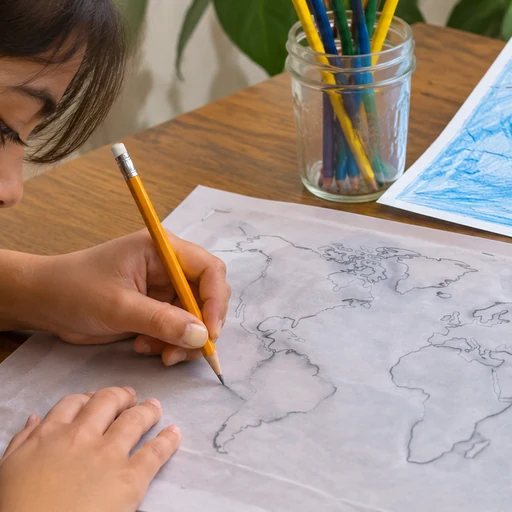
HistoryHigh School (9–12)Tracing Paper Maps
This is a great way to teach students about a particular area using maps. I do this when I teach about the seven continents, but you can use it for states, countries, or any geographic area.
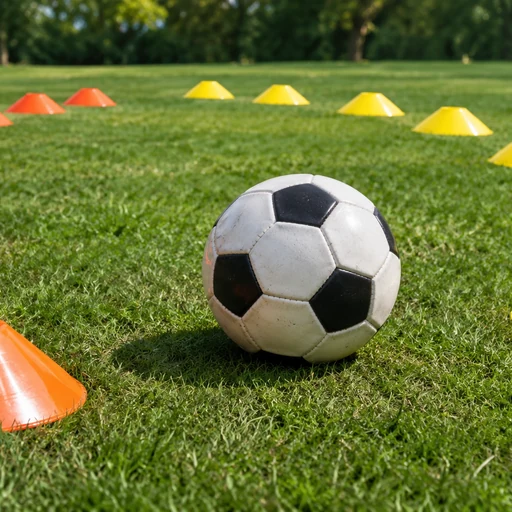
GeographyElementary (K–5)Dribbling the Ball by Head (soccer)
At the end of the lesson, students are expected to:
Phys EdElementary (K–5)Explore "Be the Beat" Web Quest
Every day, nearly 800 Americans suffer sudden cardiac arrest at home, work, or in a public place. Fewer than 8% survive. CPR can more than double or triple a victim's chance for survival.
HealthMiddle School (6–8)Representing Numbers
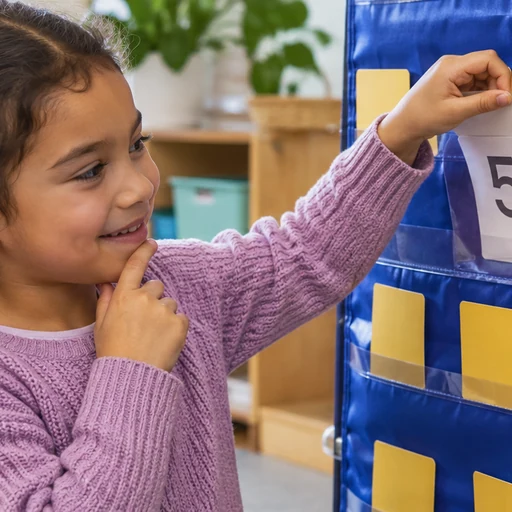
All the students will sit on the rectangle rug area. We will continue our regular routine of the calendar and job chart. A movement activity will follow, as the children will have been sitting at the rug for a while. After finding our seats again, I will…
MathematicsEarly ChildhoodMystery Writing Lesson Plans
Explain what a mystery should contain by defining the following words:
Reading/WritingMiddle School (6–8)The Cost of Living: A Cautionary Lesson
Start by asking the students to write down some ideas in answer to these questions:
Social StudiesHigh School (9–12)A Spin on Matching Games
This is a twist on matching games that you can use with any card games you have or find. I borrowed the idea from another teacher and adapted it for other kinds of learning.
MathematicsEarly Childhood