Find Lessons
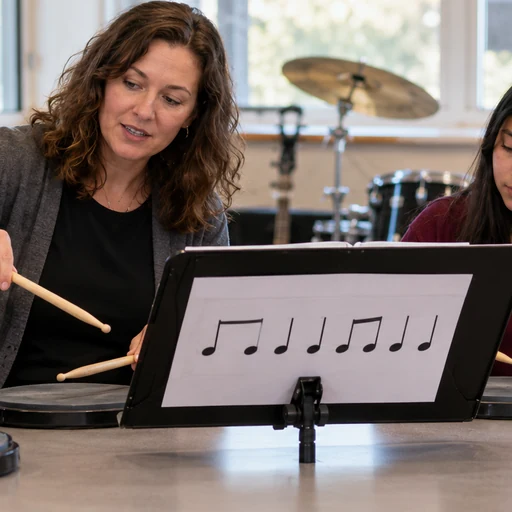
Teaching Notation to Low Literacy Students
This is a summary of a 20-week program for children with low literacy abilities who may also struggle with maths. I have found this a failsafe approach: half a year later, my students are playing a drum score. Before this, they had never read music or touched…
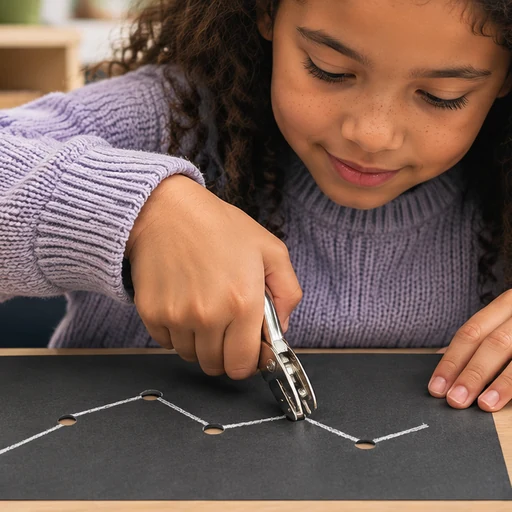
MusicMiddle School (6–8)Make Your Own Constellations
This lesson plan started as a side note to our reader, “Pushing Up the Sky,” in which the Native Americans of the Pacific Northwest did not like the height of the sky and pushed it up. As they pushed up the sky with poles, they made holes through which light…
ScienceElementary (K–5)Using Geometer's Sketchpad for Triangle Study
Using Geometer’s Sketchpad, a virtual manipulative program for teaching geometry, students will demonstrate that the sum of the interior angles of a triangle remains 180° as the triangle changes shape, and that an exterior angle remains equal to the sum of…
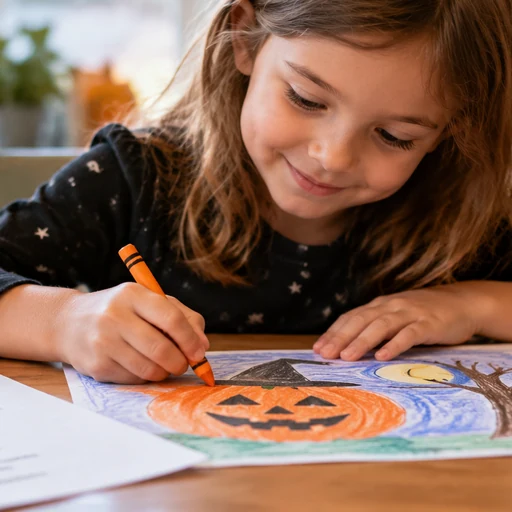
MathematicsHigh School (9–12)Halloween Poetry Art
This is a great festive lesson. I printed the free Halloween poems from this site:
Reading/WritingElementary (K–5)Making Recycled Paper
Students will make recycled paper using common household items.
ScienceElementary (K–5)How Was Life for African Americans in 1850?
Using writing tasks before, during and after reading in the content areas increases comprehension. It is estimated that three to four students out of ten have difficulty reading and understanding their textbooks (UTCRLA, 2004). The National Reading Panel…
HistoryMiddle School (6–8)Your Mind's Eye on Paper
To make students aware of how details make a story come alive.
Reading/WritingMiddle School (6–8)Christmas Vocabulary Lesson
Using Christmas flashcards, model the vocabulary and have students repeat. If you have smaller game cards, you can play Memory, Go Fish, or another game to solidify the vocabulary, although this will take more time.
LanguageElementary (K–5)ESL Halloween Vocabulary Lesson
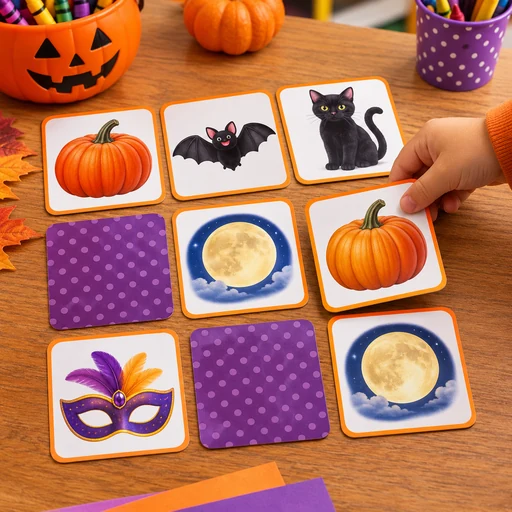
Using Halloween flashcards, model the vocabulary and have students repeat. If you have smaller game cards, you can play Memory, Go Fish, or another game to solidify the vocabulary, although this will take more time.
English Language ArtsElementary (K–5)ESL Daily Routines Present Tense Practice
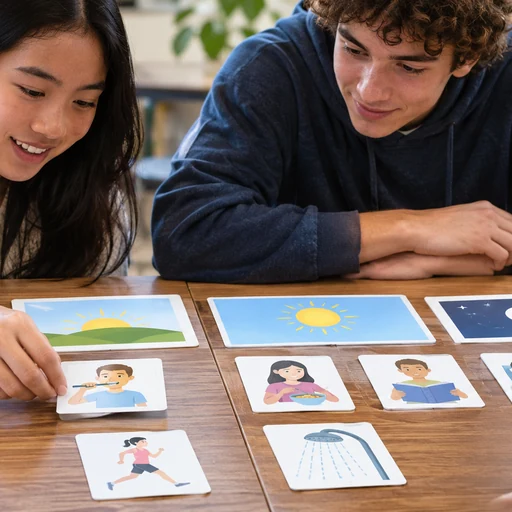
Students learn verbs for talking about daily routines. After learning the vocabulary, students put together a small spoken or written presentation about their normal daily schedule.
LanguageElementary (K–5)