Find Lessons
Leads-Narratives
Students will critically examine their current leads.
Reading/WritingMiddle School (6–8)The Great Kapok Tree
The Great Kapok Tree by Lynne Cherry is a two-day kindergarten lesson in Science and English Language Arts.
LiteratureElementary (K–5)Acid Rain Lab
Pure water has a neutral pH of 7, and the average pH of rainwater, unpolluted, is around 5.6. Any pH below 7 is considered acidic, and a pH above 7 is considered alkaline, or basic. Acid rain is defined as precipitation with a pH of less than 5.6. Power…
ScienceMiddle School (6–8)Exploring Geometry
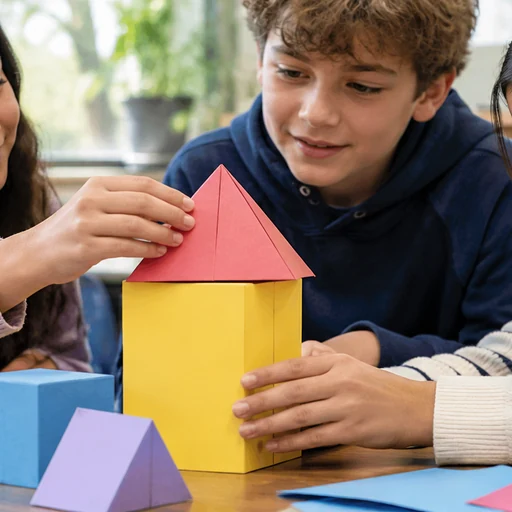
Tell students that they will be constructing three-dimensional models of a city. Discuss the directions and parameters of the project.
MathematicsCollege/UniversityPracticing Communication Skills Activity
This works best when everyone is sitting at one large table. Set markers all over the table and a blank piece of paper at every chair. It is fun to watch as people come into the room and start smiling, wondering what is going on. Plus, markers bring out the…
HealthHigh School (9–12)Animal Shapes
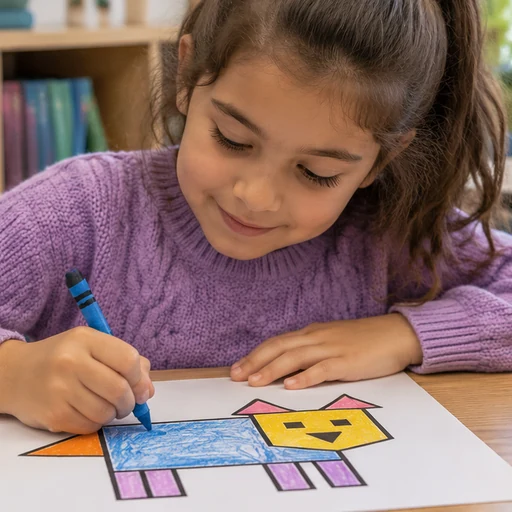
Identify basic geometric shapes and create an animal by putting shapes together.
MathematicsElementary (K–5)Matilda Madness
Instructional plan for a literature unit based on Dahl’s Matilda using Common Core standards.
LiteratureAnticipation Guide About Dolphins
Students will be able to make and modify predictions about dolphins.
Reading/WritingElementary (K–5)It's Your Life
This lesson has been written for urban inner-city middle school students to help them understand that decisions they make as early as eleven years of age may determine the eventual outcomes of their lives.
HealthHigh School (9–12)