Find Lessons
Line of Symmetry
Analyze geometric figures and pictures in order to identify and describe symmetry.
MathematicsElementary (K–5)Scientific Revolution Project
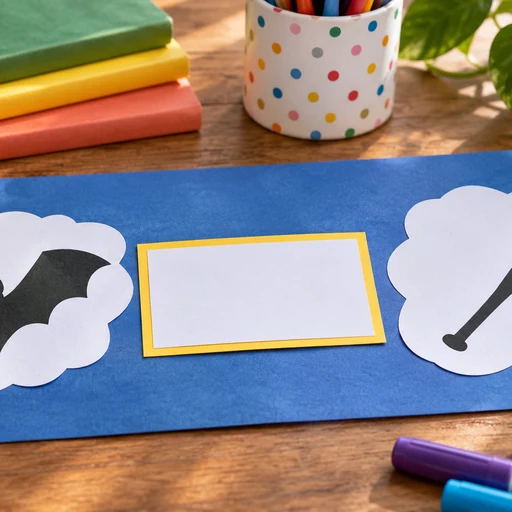
In your group, you are responsible for creating a baseball card with the following parts.
Social StudiesMiddle School (6–8)Reading Comprehension
American school children often wear uniforms if they attend religious or other private schools. Most public schools do not require uniforms. But over the last ten years or so, more of them have moved in that direction, including high schools.
LiteratureHigh School (9–12)There Was an Old Lady
Lesson focus: The Little Old Lady Who Was Not Afraid of Anything—sequencing.
Reading/WritingElementary (K–5)Nuclear Reactor Diagram Labeling and Coloring
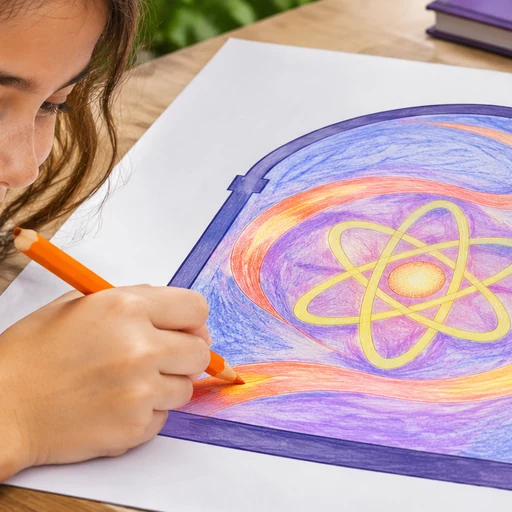
Pass out the nuclear reactor diagram/worksheet. Help students label the different parts of the reactor.
ScienceHigh School (9–12)Christmas Prepositional Poems
This activity works best once students have already learned about prepositions. It allows them to create prepositional poems and use their imagination to illustrate their creations.
LiteratureElementary (K–5)Speedball
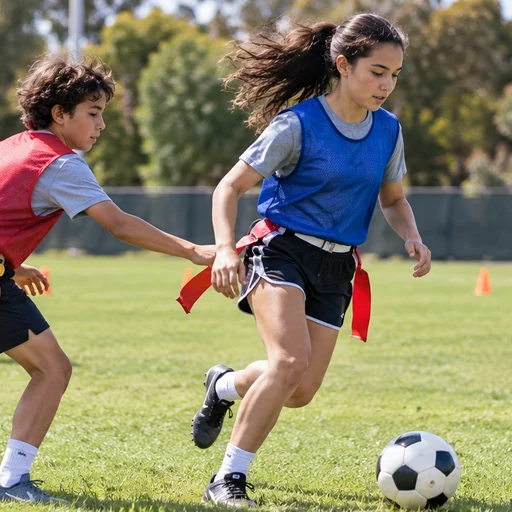
Students will know the rules and skills of the day’s sport and participate in speedball, as well as in daily stretching and conditioning routines.
Phys EdMiddle School (6–8)Mat Ball
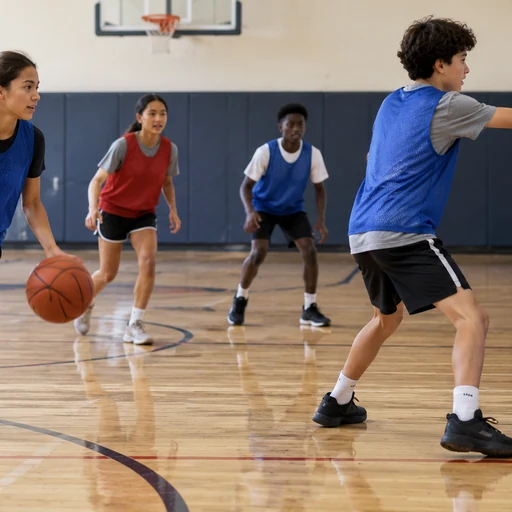
Students will know the rules and skills of the day’s sport and participate in the sport, as well as in daily stretching and conditioning routines.
Phys EdMiddle School (6–8)Here Comes Peter Cotton Tail
Students will state a sentence from a story through an active participation response (voice output device, eye gaze, or choice board).
LiteratureEarly Childhood