Find Lessons
Hailstones & Halibut Bones: Using Color to Teach Adjectives
After teaching and practicing nouns and verbs, I use poetry to help with adjectives.
Reading/WritingElementary (K–5)Name Initials: Sound Collages
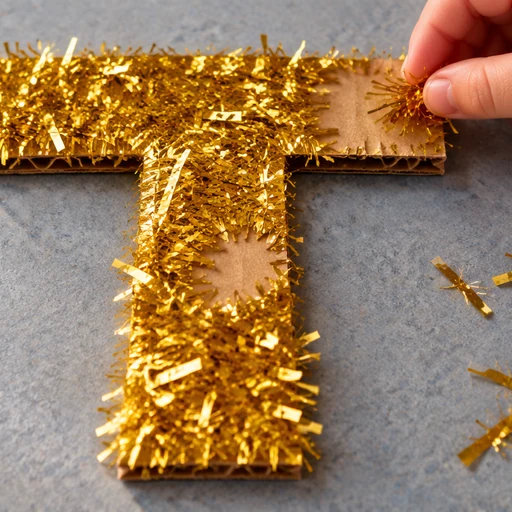
Kindergarten and preschool children are still very much focused on themselves and their identity. I used this to great advantage a couple of years ago by working with the initial sounds of each child's name.
Reading/WritingEarly ChildhoodPhonics for Kindergarten (3)
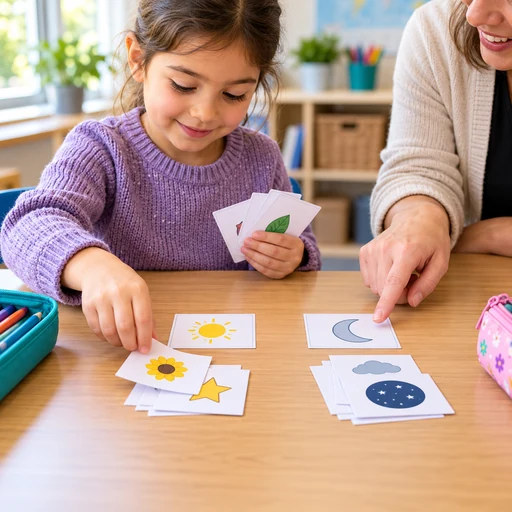
We take a letter each week. We start the week with a show-and-tell of objects beginning with the letter. Each child then shares their object, and we begin a list of words beginning with the letter of the week.
Reading/WritingEarly ChildhoodVocabulary Review
Vocabulary review can be tedious for everyone. This activity has proven to be "the spoonful of sugar" that makes the inevitable a bit more palatable.
Reading/WritingMiddle School (6–8)Personal Coat of Arms
This lesson can be done with elementary school students in grades 1–4.
Elementary (K–5)Themes in "Romeo and Juliet"
My students love this activity. Once we begin reading Romeo and Juliet in class, I ask them to really start listening to their music and decide whether any of its themes reflect themes in Romeo and Juliet.
LiteratureMiddle School (6–8)FIRST AID for Phonics
Reading is by definition a sound-symbol process. If you do not know the sounds of the language, the symbols will make no sense.
Reading/WritingElementary (K–5)Phonics Game for Kindergarten
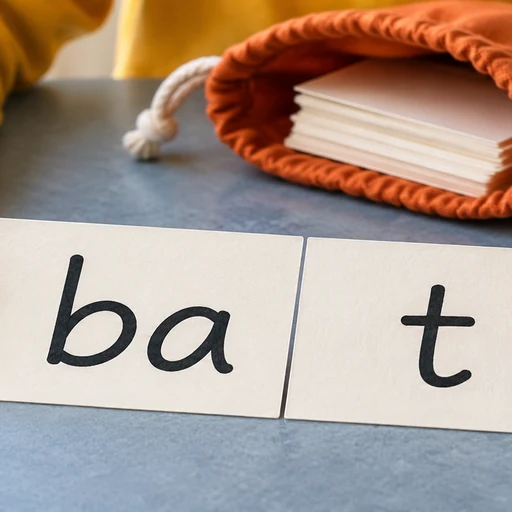
Use 3x5 cards to write phonics parts that can be put together to make words. For example, you could make the following cards:
LanguageEarly ChildhoodSight Word Soup
Children need a strong sight word vocabulary to be successful readers. These should be common words they see everywhere in print, not just in one memorized story. Words like is, am, it, up, a, and if should be automatically recognized by the child. An…
Reading/WritingElementary (K–5)Le Jeu De Pinces
Each day when class starts, hand each student a clothespin (the plastic ones don't fall apart as much). If you hear a student speak in English, you can take their pin. Students can also take each other's pins.
LanguageElementary (K–5)