Find Lessons
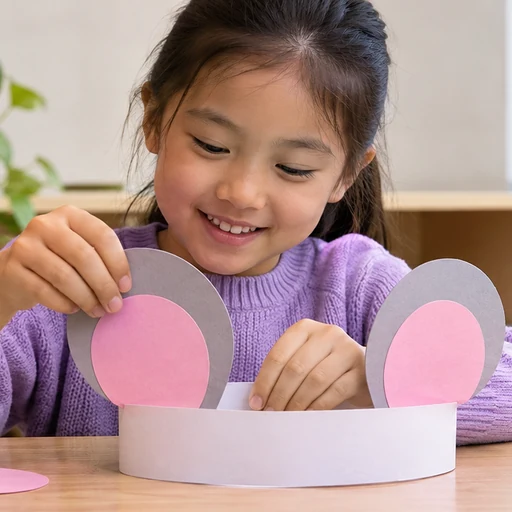
Mice Are Nice 80~
Eeny Meeny Miney Mouse by G. Pascoe and S. Williams
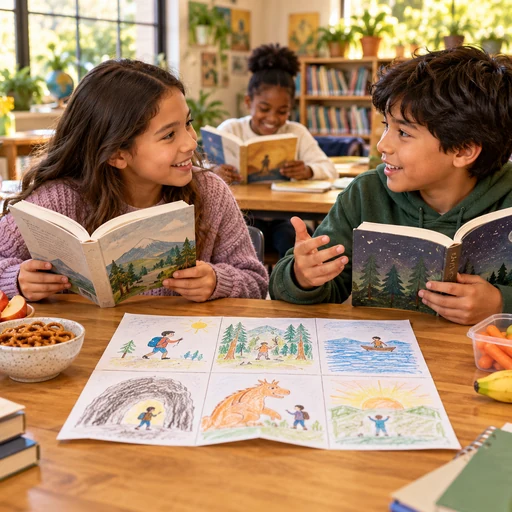
English Language ArtsElementary (K–5)Reading Picnic
To get reluctant readers interested in reading daily, I give out colorful monthly “Reading Records.” Students record the number of minutes they read each night and any new words they come across. At the end of the month, we have a “Reading Picnic.”
Reading/WritingThe Ghosts of Xmas: FBI Reports
Have students write a description of the appearance, language, and actions that each ghost exhibits.
LiteratureEgg Carton Multiplication Game
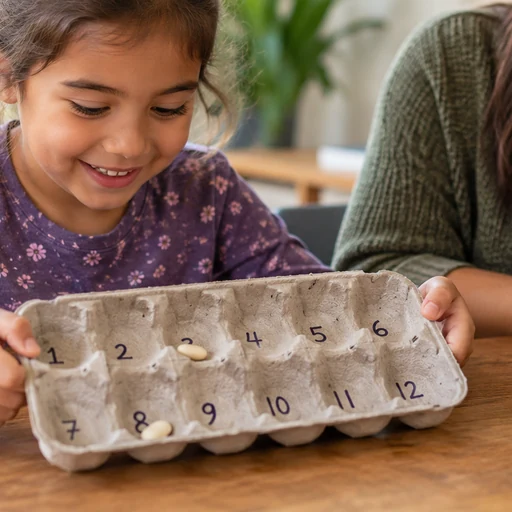
Write numbers in the bottom of the egg cartons. Put two lima beans or other small manipulatives in each carton. Have the children shake the carton and multiply the two numbers where the beans or manipulatives land.
Elementary (K–5)Dice Multiplication Game
Give each pair of children a pair of dice. Have them take turns rolling the dice and multiplying the two numbers together. The students can keep score.
MathematicsElementary (K–5)Writing a Poem
Have the students imagine themselves someplace—the beach, a mountaintop, a city street—anywhere.
LiteratureHigh School (9–12)Short Stories and Sitcoms
Comparing literature to modern-day fascinations like TV will hopefully bring the topic home to students. I ask my class what they think people did in their spare time in the "olden days" before the invention of television. It will shock most of them to know…
LiteratureMiddle School (6–8)How-To Activity
Students brainstorm a list of topics for a how-to paragraph that could be carried out within the classroom.
Reading/WritingMiddle School (6–8)Teddy Bear Picnic
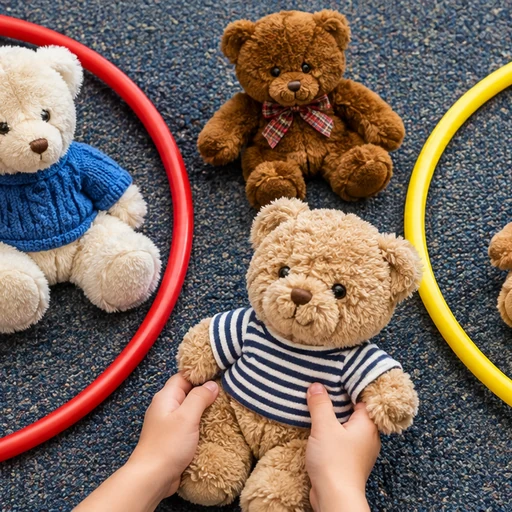
As a culminating activity for my Teddy Bear Unit, each student brings in their favorite teddy bear from home.
MathematicsEarly ChildhoodVarious Spelling Games
When I introduce new spelling words at the beginning of each week, I expect the students to also learn their meanings. We use our dictionaries to help do this. During the week, we play Spelling Concentration.
English Language ArtsElementary (K–5)