Find Lessons
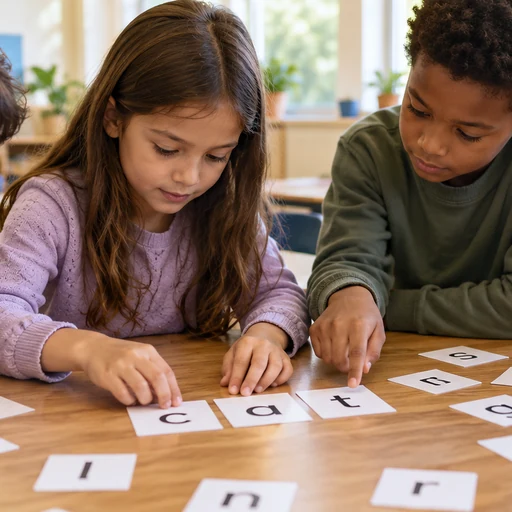
Silent Spelling-A Spelling Game
This is a good activity for cooperative group learning.
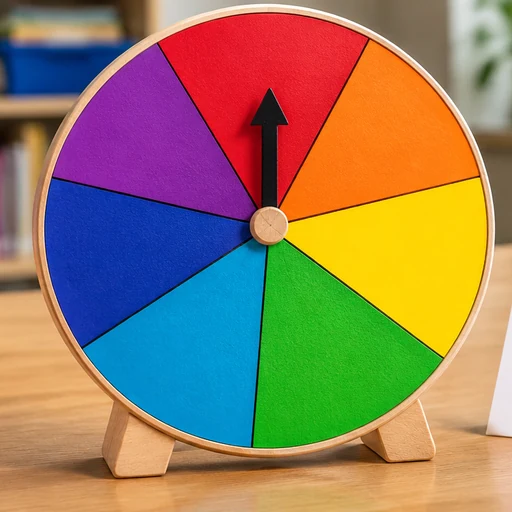
English Language ArtsElementary (K–5)Ring Toss Math
Divide the class into two teams. The teacher presents a flash card with an addition or subtraction fact to 18.
MathematicsElementary (K–5)Poem: This Tooth
LiteratureElementary (K–5)Modern Times-- The Assembly Line
I use Charlie Chaplin’s Modern Times to explore mass production and what it means to us as a society—what we gain and what we lose. It’s not strictly about the Industrial Revolution; it’s more about the new industrial age, but it covers mass production versus…
Middle School (6–8)High School (9–12)St. Patrick's Day Activities
On St. Patrick's Day, we share stories about leprechauns. I explain their mischievous nature, and we discuss the potato as an important crop in Ireland.
Early ChildhoodThe three's in Fairytales
The Three Little Pigs. The Three Bears. The Three Billy Goats Gruff. There are many variations of The Three Little Pigs and other fairy tales that you can use for this unit. Many fairy tales feature the number three.
ScienceElementary (K–5)The Great Kapok Tree: A Rainforest Puppet Show
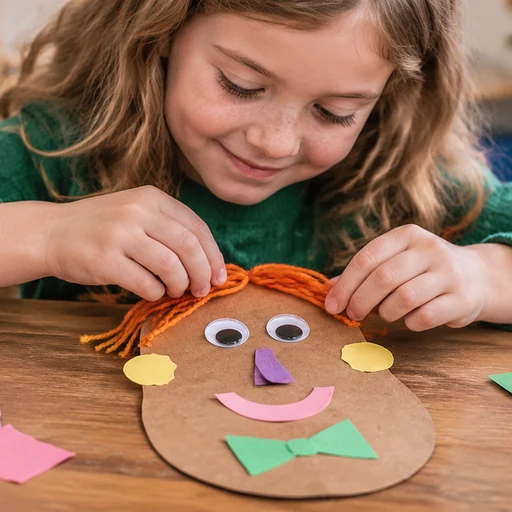
A puppet show allows students to get to know the occupants of the Kapok Tree. The book lends itself beautifully to a play or puppet show. My students each created their own puppet based on one of the creatures who makes its home in the tree.
ArtElementary (K–5)Animal Farm
Begin by giving students the history of the Russian Revolution. This takes at least two class periods.
Reading/WritingMiddle School (6–8)Making A Wet Cell Battery
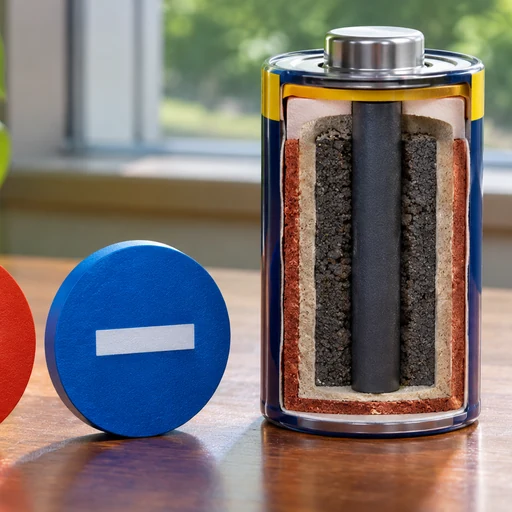
Pour about 200 mL of tap water into a 250 mL beaker. Using one of the alligator clips, clip the copper strip to the rim of the beaker so that at least part of the strip is below the surface of the water. On the opposite side of the beaker, do the same with…
ScienceMiddle School (6–8)