Find Lessons
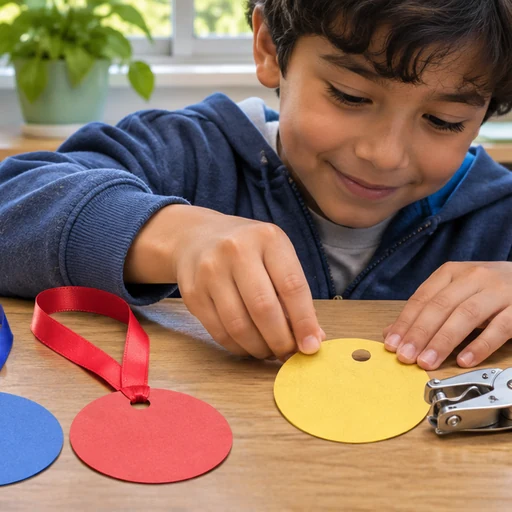
Olympic Gold Medalists
Give each child three different pieces of construction paper.
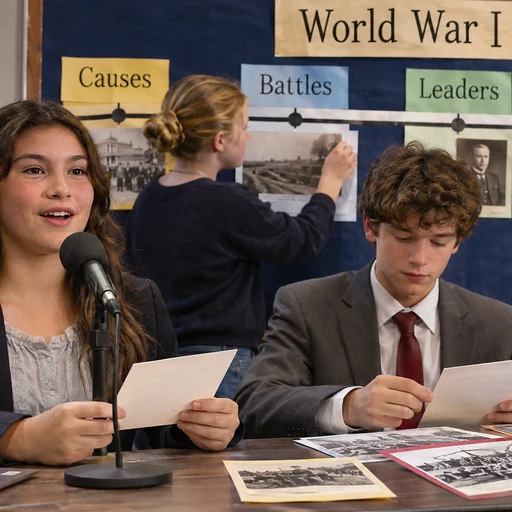
Phys EdElementary (K–5)World War One Newscast
The local television station is presenting a special report about World War One. Each group will have a five- to ten-minute feature on a different topic. Each group will be responsible for researching its assigned topic, writing the script, creating graphics…
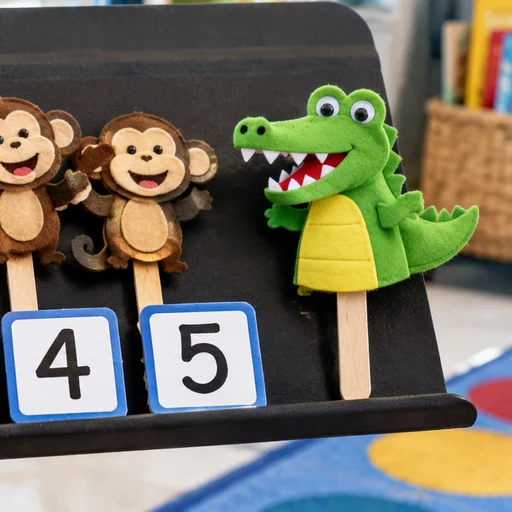
Social StudiesMiddle School (6–8)Subtracting Monkeys
The students will begin subtracting by acting out the words to a song.
MathematicsElementary (K–5)Rocket Angles
Students will launch an air rocket in an attempt to find the angle that gives the rocket the greatest distance.
ScienceMiddle School (6–8)Explain the Change
The teacher will give students a worksheet containing a graph of the population of Manhattan from 1790 to 1980. Students will discuss the trends they notice on the graph.
MathematicsHigh School (9–12)Hockey Hunt
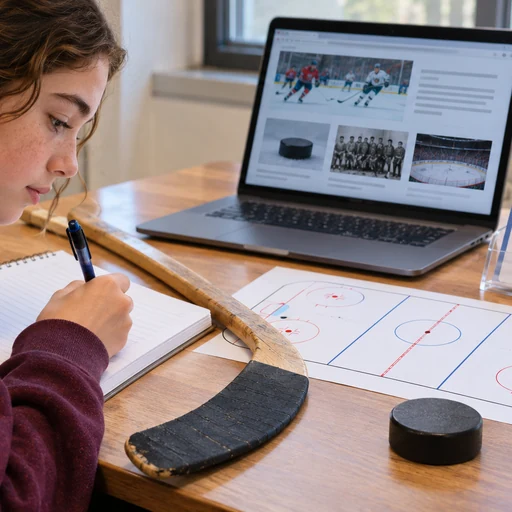
The student will be able to use the web to find information on hockey rules, terms, and history. This lesson introduces a hockey unit and incorporates technology.
Phys EdMiddle School (6–8)Imperialism Political Cartoon Assessment
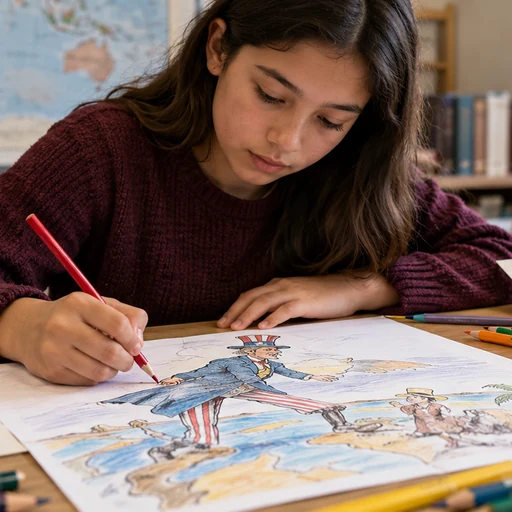
Purpose: To fully understand the concept of imperialism.
HistoryMiddle School (6–8)Ordering Fractions and Decimals
Students will demonstrate the ability to order fractions and decimals.
MathematicsElementary (K–5)How Tall Are you?
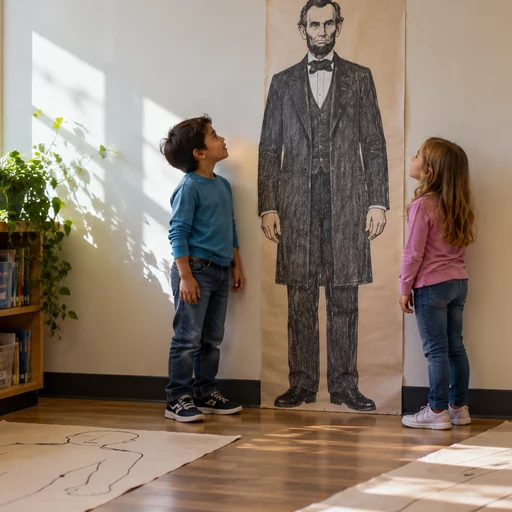
Construct a life-size model of Abe Lincoln. I have made one out of bulletin board paper and hung him on the wall as if he were standing. This makes it easy for students to stand next to him and see the height difference.
MathematicsElementary (K–5)