Find Lessons
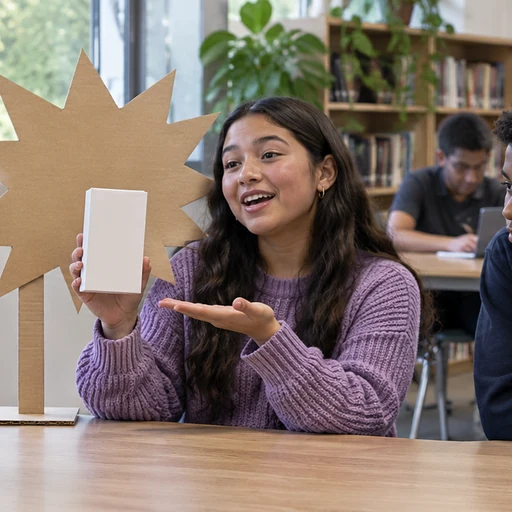
Propaganda: Making a Commercial
C3.8 Begin evaluation of the ways that the use of language, the medium, and the presentation contribute to the meaning and impact of a message.
Middle School (6–8)Scoot for Money
The children count the money in the cup on their desk, write their answer beside the corresponding number on their paper, and put the money back in the cup. I ask my children to put the cup back on the index card so I know they have finished counting.
MathematicsElementary (K–5)Edible Soils
Each student will put together his or her own model of the layers of soil in a clear container so students can see the layers and name them.
ScienceElementary (K–5)A Dreamer's Cloak
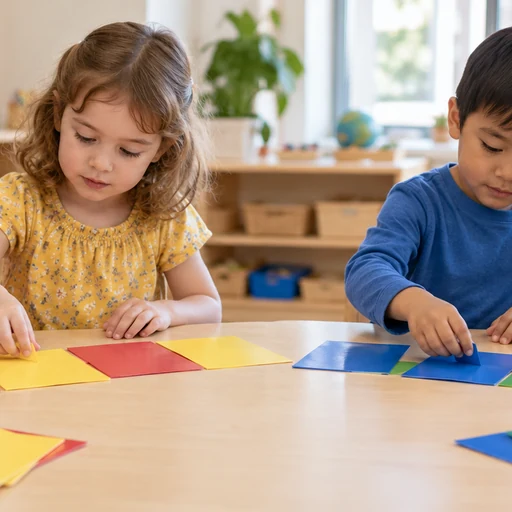
Students will complete an art project demonstrating an understanding of the attributes of squares, circles, and triangles and how these shapes can be fitted together to form other shapes.
LiteratureElementary (K–5)The One-Hundredth Day of School
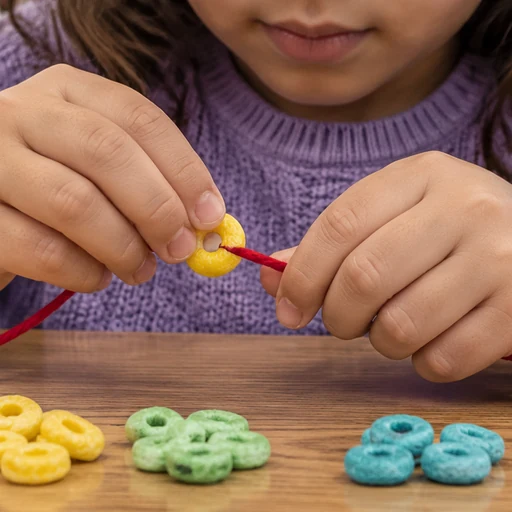
The student will use fine motor skills to create a necklace for the one-hundredth day of school, arranging 100 Froot Loops in a pattern using the concept of counting by tens.
MathematicsEarly ChildhoodSlang and Dialogue in Bud Not Buddy
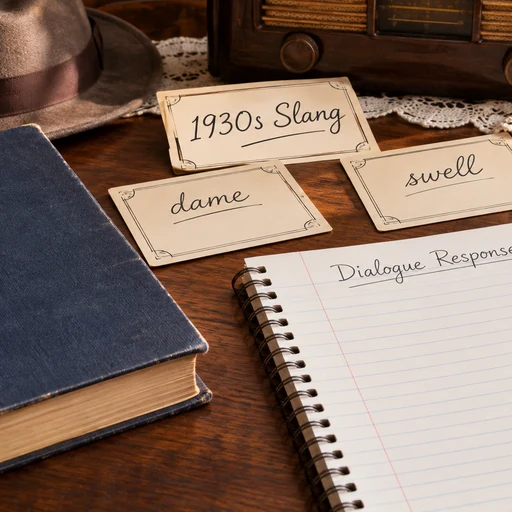
Students will be able to define slang and identify slang in their own speech patterns. They will also identify 1930s slang as used in the dialogue of the novel Bud, Not Buddy and rewrite a section of the text in modern-day language.
Reading/WritingMiddle School (6–8)Cause and Effect : The Revolutionary War
Students will identify major causes and events that led to the Revolutionary War, including the French and Indian War, the Stamp Act, the Quartering Act, the Tea Act, the Boston Massacre, and the Boston Tea Party.
Social StudiesElementary (K–5)Super Me
The students will be able to compare and contrast themselves with Tacky the Penguin in order to encourage a more positive self-concept.
Social StudiesElementary (K–5)Baseball Relationships - Using Scatter Plots
Understanding slope as rate of change and determining slope and intercepts from graphs, tables, and algebraic representations are big ideas for Algebra I. Interpreting the meaning of slope and intercepts in different situations, including real-life…
MathematicsMiddle School (6–8)